
Why Succulent Pot Arrangement Ideas Are Worth Your Time
Succulent pot arrangement ideas range from simple dish gardens to dramatic mounded displays — and the good news is that most are beginner-friendly.
Here’s a quick overview of the most popular approaches:
| Style | Best For | Key Plants |
|---|---|---|
| Thriller-Filler-Spiller | Balanced, full-looking pots | Echeveria, Sedum, String of Pearls |
| Mounded arrangement | Instant “established” look | Sempervivum, Echeveria, Sedum |
| Single-species display | Minimalist, bold statement | Agave, Aloe, Hens-and-Chicks |
| Mixed dish garden | Colorful, textural contrast | Haworthia, Kalanchoe, Graptopetalum |
| Upcycled container | Creative, budget-friendly | Any compact succulent |
Succulents are one of the most forgiving plants you can grow in a container. They store water in their leaves, tolerate crowding, and thrive with minimal fuss — as long as drainage is right.
But here’s where most busy plant lovers run into trouble. It’s not underwatering that kills potted succulents. It’s overwatering. Soggy soil leads to root rot fast, especially in pots without drainage holes.
The good news? Once you understand a few core principles — the right soil, the right container, and a simple soak-and-dry watering routine — your arrangements will thrive without constant monitoring.
Whether you have a sunny windowsill, a patio table, or just a spare corner of your desk, there’s a succulent arrangement style that works for your space.

Fundamental Principles of Succulent Pot Arrangement Ideas
Creating a stunning succulent display is more than just sticking plants in dirt; it is an art form that blends horticulture with personal expression. When we look at professional-grade succulent pot arrangement ideas, they almost always follow a set of unspoken rules that ensure the final product looks balanced and “intentional” rather than cluttered.
One of the most effective ways to start is by using the “Thriller, Filler, Spiller” method. This classic design principle works perfectly for succulents. The “Thriller” is your star—a tall or bold plant like an Aeonium or a large Agave that draws the eye. The “Filler” consists of mounding plants like Echeveria or Haworthia that surround the star, adding volume. Finally, the “Spiller” consists of trailing varieties like String of Pearls or Burro’s Tail that tumble over the edge of the pot, softening the lines of the container.
Beyond height, we also focus on:
- Color Harmony: You can go for a monochromatic look (all shades of green and blue) or a high-contrast palette using complementary colors like purple Aeoniums against golden Sedum nussbaumerianum.
- Textural Contrast: Mixing “fuzzy” succulents like Kalanchoe tomentosa (Panda Plant) with smooth, waxy rosettes creates a tactile depth that makes the arrangement pop.
- Viewpoint: If your pot will be against a wall, put the tallest plants in the back. If it’s a centerpiece, put the “Thriller” in the middle so it looks good from 360 degrees.
For those just starting out, check out these indoor succulent garden arrangement tips to help you master the basics of placement and light.
Selecting Varieties for Your Succulent Pot Arrangement Ideas
Choosing the right plants is the most exciting part of the process. We recommend selecting varieties that share similar “lifestyles”—meaning they need roughly the same amount of light and water.
Rosette-shaped succulents are the darlings of the arrangement world. Echeveria offers incredible colors from powdery blue to deep pink, while Sempervivum (Hens-and-Chicks) are remarkably hardy and can even survive cold winters outdoors. If you are looking for something architectural, Haworthia provides striking stripes and upright shapes that handle lower light levels better than most.
When we plan our succulent pot arrangement ideas, we also consider the growth rate. Since succulents grow slowly, you can plant them quite close together for an instant “full” look. If you’re looking for smaller-scale inspiration, these mini-succulent-pot-projects-for-beginners are a great way to practice your plant pairings.
Mastering the Mounded Succulent Pot Arrangement Ideas
If you want an arrangement that looks like a lush, overflowing “living bouquet,” the mounded technique is your best friend. Unlike a flat planting, a mounded arrangement stacks the plants to create a dome shape.
To achieve this, we start by filling the pot with soil, leaving about an inch at the top. Instead of planting straight down, we slide the succulents out of their nursery pots and lean the root balls against the rim, angling the rosettes outward at about 45 degrees. We then add more soil to the center and stack a second layer of plants on top of the first.
This stacking technique isn’t just for looks; it’s practical. A mounded composition allows the plants to shade each other slightly as the sun moves, which can prevent the stems from getting sunburned. It also allows you to fit significantly more plants into a single pot—for a 12-inch bowl, you might use 25 to 30 small succulents to create that dense, professional look.
For more help on creating beautiful, professional-looking displays, you can read How to Create a Beautiful Succulent Arrangement or Perfect Succulents Planted Together: A How-To Guide.
Choosing Creative Containers and Upcycled Planters
The container you choose is the foundation of your design. While a standard terracotta pot is a classic for a reason, we love getting creative with unconventional options. Succulents have shallow root systems, which means they don’t need deep pots—in fact, they often prefer shallow dishes where the soil dries out faster.
| Container Material | Pros | Cons |
|---|---|---|
| Terracotta | Porous, allows roots to breathe, prevents rot. | Dries out very quickly, can be heavy. |
| Ceramic/Glazed | Holds moisture longer, comes in many colors. | Can trap water if there’s no drainage hole. |
| Wood/Crates | Rustic look, naturally drains through gaps. | Will eventually rot or warp over time. |
| Concrete | Modern aesthetic, very stable and heavy. | Can be difficult to move; may leach lime. |
If you are feeling adventurous, upcycling is a fantastic way to give your garden personality. We’ve seen everything from vintage tea tins and old hiking boots to toy dump trucks and even rusted kitchen graters turned into planters. If you use a non-traditional item like a soup can or a wooden box, the golden rule is to drill drainage holes. If you can’t drill a hole, we suggest using it as a “cachepot”—keep the succulent in its plastic nursery liner and just set it inside the decorative container.
For more DIY inspiration, explore these budget-friendly-diy-succulent-planters or learn how to make your own sleek vessels with this concrete-planters-for-succulents-a-diy-guide.
Essential Soil Mix and Planting Techniques
The secret to long-lived succulent pot arrangement ideas isn’t the watering can; it’s the soil. Standard potting soil is designed to hold moisture, which is the exact opposite of what a succulent wants. We use a fast-draining mix to mimic the arid environments these plants call home.
A reliable DIY recipe we use is:
- 2 parts specialized cactus/succulent potting mix
- 1 part perlite or coarse sand
- (Optional) A handful of pumice or fine gravel for extra aeration
When planting, we recommend “teasing” the roots of your succulents if they are root-bound in their nursery pots. Once the plants are nestled in, don’t forget the “top dressing.” This is a layer of decorative pebbles, crushed glass, or moss placed over the bare soil. Not only does it make the arrangement look finished, but it also keeps the succulent leaves off the damp soil and prevents soil from splashing onto the leaves when you water.
If you are interested in more eco-friendly options, check out these creative-succulent-planter-ideas-made-from-recycled-materials.
Care and Maintenance for Long-Lasting Displays
Once your masterpiece is finished, the goal is to keep it looking that way. Most succulents crave bright, indirect light. A general rule of thumb is six hours of sunlight daily. If you notice your plants starting to “stretch” or grow tall and skinny, they are begging for more light.
Watering is where most people stumble. We use the “soak and dry” method: water the soil thoroughly until it runs out the drainage holes, then wait until the soil is bone-dry all the way through before watering again. Indoors, this might be every 2–4 weeks; outdoors in the heat, it might be once a week.
Maintenance also includes:
- Pruning: In the spring, don’t be afraid to trim back overgrown stems. You can replant the cuttings!
- Rotating: Turn your pot every week so all sides get equal sun exposure.
- Cleaning: Use a soft paintbrush to whisk away dust or stray bits of soil from the rosettes.
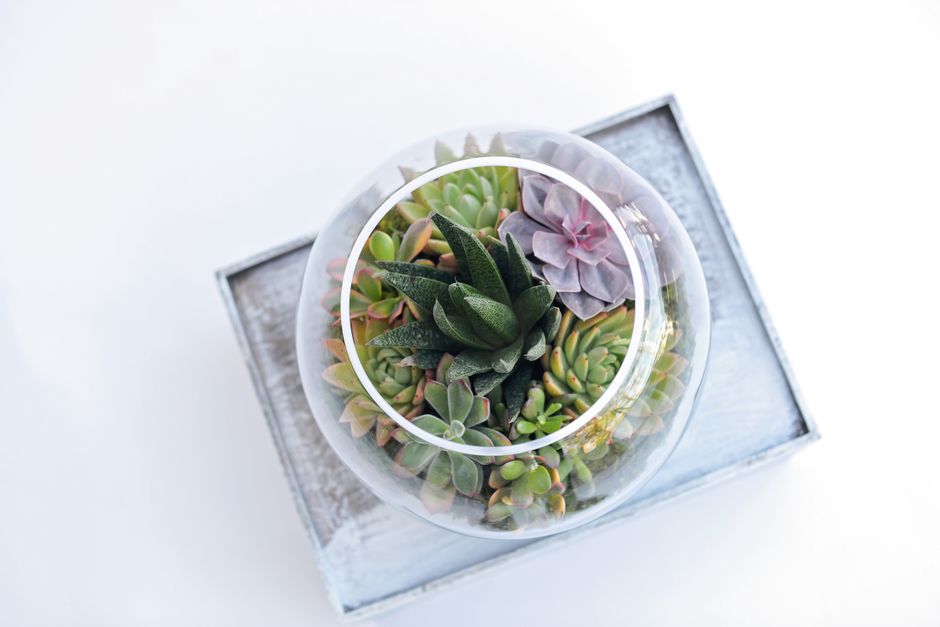
For those looking to take their hobby to the next level, vertical displays are a stunning option. Learn more with this vertical-succulent-planters-a-comprehensive-diy-guide or dive into glass-enclosed gardens with our ultimate-guide-to-indoor-succulent-terrariums.
Showcasing Your Succulent Art Indoors and Out
Succulent arrangements are incredibly versatile. Indoors, they make perfect low-maintenance centerpieces for dining tables or “desk buddies” for your workspace. Because they are slow-growing, a well-made arrangement can stay in the same pot for a year or two before needing a refresh.
If you have a sunny patio, consider grouping several pots of different heights together to create a focal point. You can even create “fairy gardens” by adding tiny accessories like miniature bridges or cottages among the plants. For more ways to style your greenery, browse these indoor-garden-display-ideas or find peace in minimalist-indoor-garden-ideas.
Frequently Asked Questions about Succulent Arrangements
Why is my succulent stretching and losing its shape?
This is a process called etiolation. It happens when the plant isn’t getting enough light, so it literally stretches its stem to “reach” for the nearest light source. To fix this, move your arrangement to a brighter spot (gradually, to avoid sunburn) and rotate the pot regularly. If it’s already too tall, you can “behead” the plant, let the cutting dry for a few days, and replant it.
How do I know if I am overwatering my potted succulents?
The first sign is usually the leaves. If they become yellow, translucent, or mushy to the touch, the plant is taking in too much water. In severe cases, the stem will turn black at the base—this is root rot. If you catch it early, stop watering immediately and let the soil dry out completely. Ensure your pot has a drainage hole!
Can I plant different succulent species in the same pot?
Absolutely! This is the core of most succulent pot arrangement ideas. The key is to group plants with similar needs. For example, don’t mix a desert cactus that wants full blazing sun with a Haworthia that prefers bright shade. As long as their light and water requirements match, they will live happily together for a long time.
Conclusion
At SecureFinPro, we believe that gardening should be a source of relaxation and joy, not a chore. Masterfully executing succulent pot arrangement ideas allows you to bring a piece of the natural world into your home with minimal effort. Whether you are upcycling an old tin or creating a dramatic mounded centerpiece, the possibilities are endless.
Ready to grow your indoor oasis? Explore more indoor garden inspiration and start your next project today!
