
Why Every Apartment Plant Parent Needs a Repotting Succulents Apartment Guide
A solid repotting succulents apartment guide can be the difference between a thriving windowsill collection and a pot full of soggy, struggling roots. Here’s what you need to know right away:
Quick answer — what you need to repot succulents in an apartment:
- Pot: Terracotta, 1-2 inches wider than the current one, with drainage holes
- Soil: Cactus mix with added perlite or pumice (2:1:1 ratio works well)
- Tools: Small trowel, soft brush, gloves, newspaper to manage mess
- Timing: Spring is best — avoid winter dormancy
- After repotting: Wait 3-5 days before watering, place in bright indirect light
Succulents are famously low-maintenance. But even the toughest drought-tolerant plant eventually outgrows its home. When roots run out of room, growth slows, soil compacts, and overwatering becomes almost inevitable — a real problem for busy apartment dwellers who already struggle with moisture balance.
The good news? Repotting is much simpler than it sounds, even in a small space with no garden access. You don’t need a lot of tools, a lot of time, or a lot of experience.
This guide walks you through everything — from spotting the signs your succulent needs a new pot, to keeping your apartment floor clean while you do it.
Recognizing When Your Apartment Succulents Need a New Home
Living in an apartment often means we are hyper-aware of space. Just as we might feel cramped in a studio that’s too small, our succulents feel the same way about their pots. One of the most common reasons to consult a repotting succulents apartment guide is when a plant becomes “root-bound.” This happens when the roots have filled the container to the point where there is more root than soil, often circling the bottom of the pot in a desperate search for nutrients.
You might notice roots poking out of the drainage holes or even pushing the plant upward out of the soil. Another major red flag is when your succulent becomes top-heavy. If your Echeveria is leaning so far over that the pot tips at the slightest breeze from your AC, it’s time for an upgrade. Beyond physical size, keep an eye out for common problems with indoor succulents and how to fix them, such as mineral buildup. In an apartment, tap water can leave white, crusty salt deposits on the soil surface or the rim of the pot, which can eventually dehydrate your plant.
If your succulent has stopped growing entirely despite receiving plenty of light, or if the soil has become so compacted that water just sits on top without soaking in, these are clear calls for help. According to How to Repot Succulents to Keep Them Healthy and Thriving, most succulents benefit from a refresh every 12 to 18 months. This prevents the soil from losing all its nutritional value and ensures the roots have enough oxygen to breathe.
Best Timing for a Repotting Succulents Apartment Guide
Timing is everything. In succulents, the “Golden Hour” for repotting is during the spring or early summer. This is when most species enter their active growth phase. Because the plant is naturally pushing out new cells, it can recover from the inevitable “transplant shock” much faster. If you rip a root during a spring repot, the plant likely has the energy to heal it within days.
Conversely, repotting during the winter rest period is generally discouraged. During winter, many succulents go dormant to survive lower light levels and cooler indoor temperatures. If you disturb them now, they may lack the energy to establish themselves in new soil, leading to rot or stunted growth. For more on managing these periods, see our indoor-succulents-a-comprehensive-care-guide/.
However, there is a caveat for apartment dwellers: if you have a “summer-dormant” succulent like an Aeonium or certain types of Aloe, they actually prefer being moved in the early fall. Always check your specific variety’s needs, but when in doubt, spring is your safest bet for a successful transition.
Essential Supplies for Your Repotting Succulents Apartment Guide
Before you start dumping soil on your kitchen island, you need to gather your gear. Repotting in an apartment requires a bit more strategy than doing it in a backyard. You want tools that are precise and easy to store.
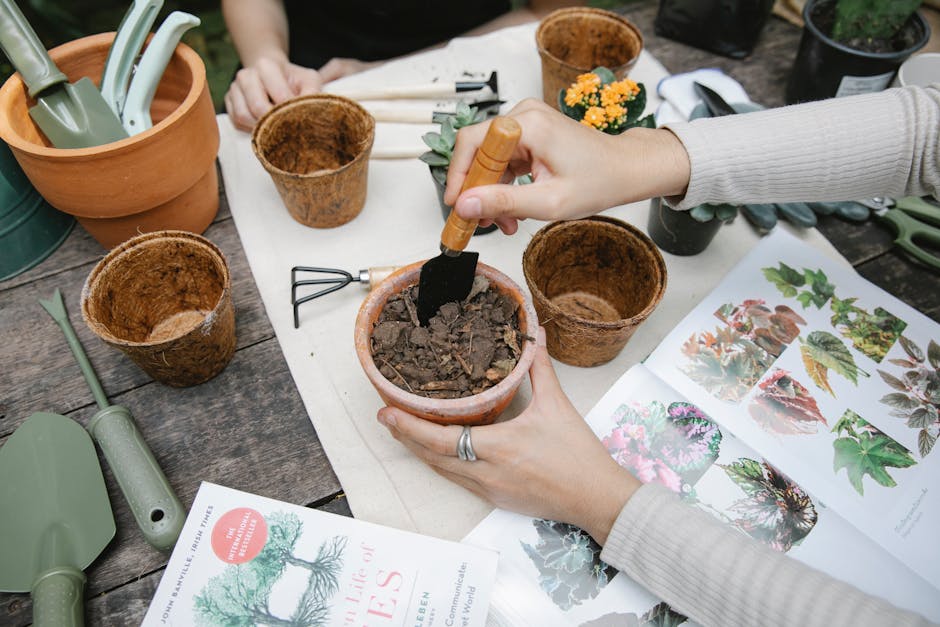
Your Apartment Repotting Kit:
- A new pot: Ideally terracotta or unglazed ceramic.
- Fresh soil: A dedicated succulent or cactus mix.
- A small trowel or even a large spoon: For precision in small pots.
- A soft-bristled brush: To clean dirt off those fleshy leaves.
- Gloves: Especially if you’re handling spiny cacti or plants with irritating sap like Euphorbias.
- Newspaper or a silicone potting mat: To catch the “oops” moments.
- Horticultural grit: For top-dressing and extra drainage.
When selecting a container, we always recommend checking out the best containers for indoor gardens. For succulents, drainage is non-negotiable. If you find a cute decorative pot without a hole, use it as a “cachepot”—keep the succulent in its plastic nursery pot and simply set it inside the pretty one.
Table: Terracotta vs. Plastic Pots for Apartments
| Feature | Terracotta/Clay | Plastic |
|---|---|---|
| Breathability | High (porous walls allow air/moisture exchange) | Low (traps moisture) |
| Weight | Heavy (prevents tipping) | Light (easy to move) |
| Watering Frequency | More frequent (soil dries faster) | Less frequent (soil stays damp longer) |
| Best For | Beginners prone to overwatering | Experienced growers in very dry rooms |
| Aesthetics | Classic, earthy look | Modern, various colors |
Choosing the Right Soil Mix and Pot Size
The most common mistake we see in any repotting succulents apartment guide is using standard “all-purpose” potting soil. Standard soil is designed to hold onto moisture—the exact opposite of what a desert-dwelling plant wants. You need a mix that is gritty and airy.
A great DIY recipe for apartment dwellers is:
- 2 parts commercial cactus/succulent soil
- 1 part perlite (for aeration)
- 1 part pumice or coarse sand (for drainage)
For those interested in sustainable options, you might wonder is coco peat for succulents the secret to happy plants?. While coco peat is great for moisture retention, it must be heavily amended with grit to work for succulents. Check our indoor-garden-soil-recommendations/ for more brand-specific advice.
As for the pot size, don’t go too big! A common “newbie” move is to put a small plant in a massive pot so it can “grow into it.” In reality, excess soil holds excess water that the small root system can’t drink, which leads to root rot. Choose a pot that is only 1–2 inches wider than the current root ball.
Step-by-Step Process for Repotting Succulents in Small Spaces
Now, let’s get our hands dirty. If you are worried about the mess, don’t be. Laying down a few layers of newspaper or a cheap plastic tarp on your table makes cleanup a 30-second job.
- Prep the plant: Water your succulent lightly a day or two before you plan to repot. Dry roots are brittle and snap easily; slightly hydrated roots are more flexible.
- The Gravity Method: Turn the pot sideways, place your hand over the soil surface with the plant stems between your fingers, and gently squeeze the sides of the pot. Gravity should do most of the work. If it’s stuck, use a butter knife to slide around the inner edge.
- Tease the roots: Gently shake off the old, depleted soil. If the roots are tightly coiled, use your fingers to “tickle” them loose. This encourages them to grow outward into the new soil.
- Inspect for health: This is your chance to look for pests or rot. Healthy roots are usually white or light tan and firm.
- The New Home: Place a small amount of your gritty mix in the bottom of the new pot. Position the plant so the base of the leaves sits just below the rim of the pot.
- Fill and Firm: Add soil around the sides, tapping the pot on the table to help the soil settle. Don’t pack it down with your thumbs too hard—you want to keep those air pockets!
For those looking to maximize space, you might even consider vertical-succulent-planters-a-comprehensive-diy-guide/ as a way to house your newly repotted friends. Following the steps in How to Easily Repot Succulents in 6 Steps ensures that the transition is as stress-free as possible for the plant.
Handling Root Rot and Propagation During the Repotting Succulents Apartment Guide
Sometimes, you open up a pot only to find a horror show: black, slimy, foul-smelling roots. This is root rot, the number one killer of indoor succulents. If you see this, don’t panic. Use a pair of sterile shears to snip away every bit of the black mush. Spray the remaining healthy roots with a diluted neem oil solution or a bit of hydrogen peroxide to kill lingering fungus. For a deeper dive into saving a struggling plant, read our tips on reviving-a-dying-succulent-dos-and-donts/.
Repotting is also the perfect time for propagation! If your succulent has “pups” (baby plants) growing at the base, you can gently wiggle or snip them off. Ensure the pup has a few roots of its own. If you accidentally snap off a healthy leaf during the move, don’t throw it away! Let the leaf end “callus” over for two days, then lay it on top of some damp soil. In a few weeks, you’ll have a brand new baby plant. It’s an apartment-friendly way to expand your jungle for free.
Post-Repotting Care and Recovery Indoors
Once the plant is in its new pot, your instinct will be to give it a big drink of water to “welcome” it. Stop! This is the most critical part of the repotting succulents apartment guide.
When you move a plant, tiny microscopic tears happen in the roots. If you add water immediately, those open “wounds” are exposed to bacteria and moisture, which leads to rot. Instead, wait 3 to 5 days before watering. This gives the roots time to callus over and heal.
Recovery Tips:
- Light: Place your succulent in bright, indirect light for the first week. Even if it’s a sun-lover, the stress of repotting makes it more susceptible to sunburn.
- Acclimation: After a week, gradually move it back to its sunny south-facing window or under your grow lights.
- Air Circulation: Ensure your apartment has decent airflow. A stagnant corner can trap humidity around the new soil.
- No Fertilizer: Wait at least a month before feeding your plant. The new soil likely has enough nutrients, and you don’t want to burn the sensitive new root tips.
If you are just starting out, our indoor-succulent-garden-for-beginners/ guide offers great advice on setting up the perfect recovery environment.
Frequently Asked Questions about Apartment Succulent Repotting
Should I water my succulent immediately after repotting?
No. As mentioned above, you should wait at least 3 to 5 days. This is perhaps the most difficult rule for plant parents to follow, but it is the most important for preventing root rot. If the plant looks slightly wrinkled, don’t worry—succulents are built to survive weeks without water. They will be much happier waiting a few days to heal than sitting in wet soil with broken roots.
How do I keep my apartment clean while repotting?
The “Sink Method” is a favorite for small spaces. Perform the actual transplanting inside your kitchen sink (with a drain strainer in place!). Any spilled soil can be easily wiped up or rinsed away. Alternatively, use a “potting mat”—a waterproof sheet with snapped corners that creates a tray—to keep the dirt contained. Always keep a small hand vacuum nearby for the stray perlite bits that inevitably try to escape!
Can I use regular potting soil for my succulents?
We strongly advise against it. Regular potting soil contains high amounts of peat moss and organic matter designed to hold moisture for plants like ferns or pothos. If you must use it, you need to amend it heavily. At a minimum, mix it 50/50 with coarse sand or perlite. Without these amendments, the soil will stay wet for too long, and in the low-airflow environment of an apartment, this is a recipe for disaster.
Conclusion
Repotting doesn’t have to be a daunting chore. With the right repotting succulents apartment guide, it becomes a rewarding ritual that connects you to your indoor greenery. By choosing the right pot, using gritty soil, and being patient with the watering can, you ensure your succulents will continue to brighten your urban space for years to come.
Ready to take your apartment garden to the next level? Explore our budget-friendly-diy-succulent-planters/ for creative ways to display your newly repotted plants.
For more expert tips and troubleshooting, Learn more about expert succulent care at SecureFinPro. Happy planting!
