
Why Most People Struggle With Indoor Cactus Care (And How to Get It Right)
Learning how to take care of indoor cactus is simpler than most people think – but a surprising number of plant owners still manage to kill them. The most common reason? Overwatering.
Here’s a quick overview of what your indoor cactus actually needs:
| Care Factor | What To Do |
|---|---|
| Light | 4-6 hours of bright light daily near a south or west-facing window |
| Water | Only when the top inch of soil is completely dry (every 1-3 weeks in summer, every 4-8 weeks in winter) |
| Soil | Fast-draining cactus mix with perlite or coarse sand added |
| Pot | Terracotta pot with drainage holes |
| Temperature | 65-85°F during growing season, 45-55°F in winter |
| Fertilizer | Light feeding 2-3 times per year during spring and summer only |
Cacti are tough. They survive in some of the harshest environments on earth. But indoors, in a small pot with limited drainage, they become surprisingly vulnerable – especially to too much water and too little light.
The good news: once you understand what they actually need, they’re one of the most rewarding and low-maintenance houseplants you can own.
This guide covers everything – from watering schedules to pest control to getting your cactus to bloom.

Mastering the Basics: How to Take Care of Indoor Cactus
When we bring a cactus into our homes, we are essentially asking a desert dweller to live in a controlled, indoor environment. To succeed, we must mimic their natural habitat as closely as possible. A healthy cactus isn’t just a plant that isn’t dead; it’s one that shows vibrant color, firm structure, and occasional growth.
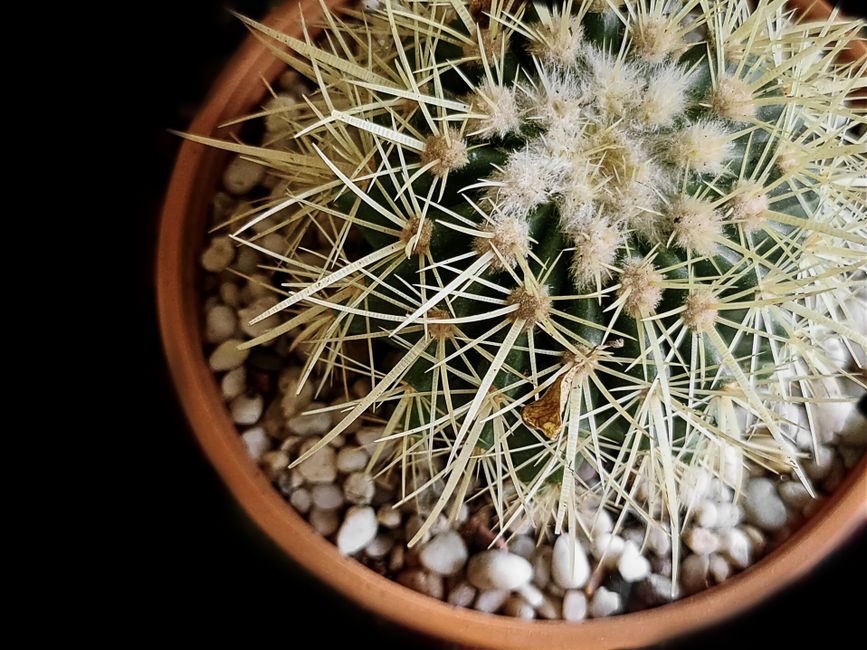
The core pillars of how to take care of indoor cactus involve balancing light, temperature, and air. During the growing season (typically March through September), these plants thrive in temperatures between 65°F and 85°F. However, one of the most overlooked aspects of cactus care is the winter dormancy period. From October to February, many arid cacti prefer cooler temperatures between 45°F and 55°F. This “chill” period is actually a secret weapon for those of us who want our plants to flower later in the year.
Air circulation is another unsung hero. In the wild, cacti deal with wind and vast open spaces. Indoors, stagnant air can lead to pest infestations. We recommend keeping your plants in a spot with decent airflow, away from the direct blast of heaters or air conditioning vents which can dry out the plant tissues too aggressively.
Lighting Needs: How to Take Care of Indoor Cactus Light Requirements
Cacti are the ultimate sun-worshippers. To grow robustly, most species require a light intensity of 4,000 to 6,000 lux. In practical terms, this means placing them right next to your brightest window-usually one facing south or west.
If your cactus isn’t getting enough light, it will tell you through a process called etiolation. This is when the plant stretches toward the nearest light source, becoming pale, thin, and spindly. Unfortunately, etiolation is permanent; even if you move the plant to better light later, the stretched part will remain weak and narrow.
If your home lacks natural sunlight, don’t worry. We can use full-spectrum LED grow lights to bridge the gap. Aim for a 12-14 hour light cycle, keeping the lights about 20-30 cm away from the plant. Also, remember to rotate your pots quarterly. Cacti naturally lean toward the sun, and a regular 90-degree turn ensures they grow straight and symmetrical rather than tipping over.
Watering Wisdom: How to Take Care of Indoor Cactus Without Rot
If there is one rule to live by, it is this: When in doubt, don’t water.
We use the “soak and dry” method. This involves watering the plant thoroughly until water runs out of the drainage holes, then waiting until the soil is bone-dry before watering again. For most indoor environments, this means watering every 10 to 21 days in the summer and as little as once every 4 to 8 weeks in the winter.
Be careful of “hydrophobic” soil. If you’ve let your cactus go dry for a long time, the soil can actually start repelling water. If you notice water running straight down the sides of the pot and out the bottom without soaking in, try sitting the pot in a sink with an inch of water for 30 minutes to let it hydrate from the bottom up.
Signs of Trouble:
- Overwatering: The cactus becomes yellow, soft, or mushy at the base. You might see black or translucent spots. This is often the start of root rot, which is fatal if not caught early.
- Underwatering: The plant will look shriveled, wrinkled, and feel unusually lightweight. While cacti are drought-tolerant, they do eventually need a drink to maintain their internal water pressure.
The Foundation: Choosing the Right Soil and Pot
The container and “bedding” you choose for your cactus are just as important as the water you give it. Most beginners make the mistake of using standard potting soil, which is designed to hold moisture-the exact opposite of what a cactus wants.
| Feature | Desert Cactus (Arid) | Forest Cactus (Rainforest) |
|---|---|---|
| Light | Direct, bright sunlight | Filtered, indirect light |
| Watering | Let soil dry completely | Keep slightly moist |
| Soil Mix | 50% grit/sand, 50% soil | More organic matter/peat |
| Humidity | Prefers dry air | Enjoys 50%+ humidity |
For desert varieties, we recommend a mix of one part potting soil, one part coarse sand, and one part perlite or pumice. This ensures that “gully washer” rains (your watering sessions) pass through quickly, leaving the roots damp but never submerged.
As for the pot, terracotta is king. Because terracotta is porous, it allows the soil to “breathe” and helps moisture evaporate from the sides of the pot, not just the top. This significantly reduces the risk of root rot. Always ensure your pot has at least one large drainage hole at the bottom.
Advanced Maintenance: Fertilizing, Repotting, and Propagation
Once you’ve mastered the basics of how to take care of indoor cactus, you might want to expand your collection or help your current plants reach their full potential.
Fertilizing
Cacti aren’t heavy feeders, but a little boost goes a long way. Use a low-nitrogen fertilizer (like a 5-10-5 or a specialized cactus formula) diluted to half-strength. Feed your plants only 2-3 times during the growing season (spring and summer). Never fertilize in the winter when the plant is trying to rest.
Repotting Safely
Cacti generally enjoy being slightly root-bound, so you only need to repot every 3 to 5 years. When the time comes, use the “bubble wrap hack”: wrap a thick layer of bubble wrap or folded newspaper around the cactus to protect your hands (and the plant’s spines). You can also use kitchen tongs for smaller varieties.
After moving the plant to a pot that is only 2-4 cm wider than the old one, do not water it immediately. Wait about a week to allow any roots that snapped during the move to “callus” over. This prevents bacteria in the water from entering the open wounds. For more on the nuances of cactus handling, check out the-pointy-truth-about-keeping-cactus-at-home/.
Propagation
The easiest way to get “free” plants is through offsets, also known as “pups.” These are the tiny baby cacti that grow at the base of the parent plant. Simply snip them off with a clean knife, let the cut end dry out (callus) for a few days until it feels like a scab, and then set it on top of fresh cactus soil. Within a few weeks, it will begin to grow its own roots.
Troubleshooting: Pests, Diseases, and Blooming
Even with the best care, sometimes “uninvited guests” show up.
- Mealybugs: These look like tiny bits of white cotton tucked into the crevices of your cactus. You can treat them by dabbing them with a cotton swab dipped in 70% isopropyl alcohol.
- Scale: These appear as hard, tan bumps on the skin of the plant. They can be scraped off gently or treated with neem oil.
- Root Rot: If the base of your cactus turns black and slimy, it’s likely rot. You can sometimes save the plant by cutting off the healthy top part, letting it callus, and re-rooting it as a new cutting.
How to Encourage Blooming
To get those spectacular desert flowers, you need to trigger the plant’s natural instincts. This requires a “hard winter.” During the fall, reduce watering significantly and move the plant to a cooler room (around 50-55°F). For “holiday” cacti (like Christmas or Thanksgiving varieties), they also need “long nights”-about 12 to 14 hours of total darkness every day for six weeks-to set their buds.
Choosing Your Prickly Friend: Best Varieties for Beginners
If you are just starting your journey, some cacti are much more forgiving than others.
- Bunny Ears (Opuntia microdasys): Named for its pad-like shape, this cactus is iconic. Be careful, though-instead of long spines, it has tiny, hair-like barbs called glochids that can easily irritate your skin.
- Old Lady Cactus (Mammillaria hahniana): A spherical cactus covered in white down and spines. It’s very hardy and frequently produces a “crown” of small pink flowers.
- Star Cactus (Astrophytum asterias): A spineless, round cactus that looks like a sea urchin. It’s perfect for those who want the look of a cactus without the prickles.
- Christmas Cactus (Schlumbergera): Technically a forest cactus, this plant is non-toxic to pets and loves a bit more water and humidity than its desert cousins.
A Note on Pet Safety: While many cacti are technically non-toxic, the physical danger of spines is real. If you have curious cats or dogs, stick to spineless varieties like the Christmas Cactus or keep your prickly friends on high shelves where they can’t be bumped.
Frequently Asked Questions about Indoor Cactus Care
Why is my cactus turning yellow and mushy?
This is almost certainly a sign of overwatering and root rot. If the mushiness has reached the top of the plant, it may be too late. However, if the top is still firm, you can cut the healthy portion off, let it dry for a week, and replant it in fresh, dry soil.
Can cacti survive in low-light rooms?
“Survive” is the keyword here. A cactus can sit in a dark corner for a few months before it dies, but it won’t grow or be healthy. If you want a plant for a low-light room, we suggest a snake plant or a ZZ plant instead. If you must have a cactus in a dim room, you’ll need to supplement with a grow light.
How long do indoor cacti live?
With proper care, most indoor cacti will live for at least 10 years. Some species are incredibly long-lived and can stay in the family for decades, eventually becoming “heirloom” plants passed down through generations.
Conclusion
At SecureFinPro, we believe that bringing nature indoors shouldn’t be a source of stress. Learning how to take care of indoor cactus is an exercise in patience and observation. These plants don’t want to be smothered with attention; they want a bright spot, an occasional deep drink, and a quiet place to grow at their own pace.
By mimicking the desert’s harsh but predictable cycles, you can turn a tiny 2-inch “checkout lane” purchase into a stunning architectural centerpiece. If you’re ready to expand your indoor garden beyond the prickly world, Explore our full guide to succulent care to find the perfect companion for your new cactus.
