
Introduction
Succulent plants have become the gold standard for office decor, and for good reason. These “camels of the plant world” are drought-tolerant, architecturally stunning, and incredibly space-efficient. Beyond their aesthetic appeal, having greenery in your workspace is linked to improved air quality and reduced stress levels. However, the most common hurdle for office gardeners is navigating the nuances of indoor lighting.
While we often associate succulents with blazing desert sun, many varieties actually prefer succulent indirect light. In an office environment—where windows might be tinted, shaded by neighboring buildings, or covered by blinds—understanding how to harness this filtered light is the key to a thriving indoor garden.

Understanding Succulent Indirect Light vs. Direct Sunlight
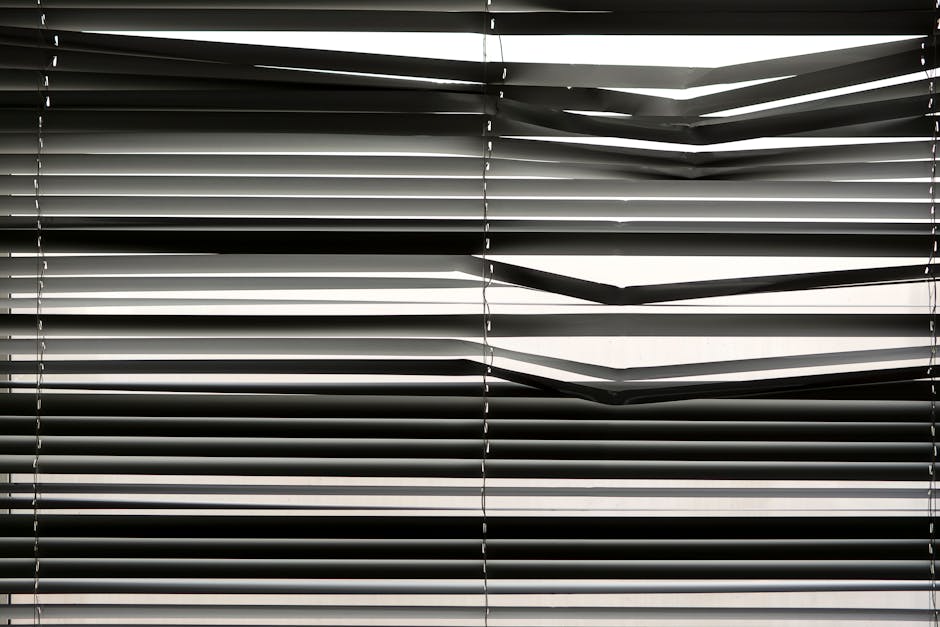
To succeed with office plants, we must first define our terms. Direct sunlight occurs when the sun’s rays hit the plant’s leaves without any barrier. Outdoors, this is intense; indoors, even behind glass, it can be powerful enough to cause leaf scorching—permanent brown or white “sunburn” patches that never heal.
Succulent indirect light, on the other hand, is bright light that has been reflected or filtered. Imagine the area just outside a bright sunbeam on your carpet, or the light in a room with a North-facing window. The photon intensity is lower, which prevents the delicate tissues of shade-adapted succulents from bleaching.
How do you know if your desk has enough light? We recommend the “shadow test.” On a sunny day, place your hand about a foot above where your plant will sit.
- Direct Light: A crisp, dark, well-defined shadow.
- Bright Indirect Light: A soft-edged, blurry, but still visible shadow.
- Low Light: A faint, barely-there gray smudge.
For those who want to be precise, Ensuring Proper Light Levels for Indoor Succulents is a vital step in preventing etiolation—the unsightly stretching that happens when a plant “hunts” for more sun. Most office-friendly succulents thrive in ambient brightness where they receive reflected light from white walls or nearby windows without being “cooked” by the midday sun.
Top Succulent Varieties for Indirect Light in the Office
Not all succulents are created equal. Some, like spined cacti or Echeveria, will quickly lose their shape in an office. Others have evolved with higher chlorophyll density, allowing them to photosynthesize efficiently even in dimmer spots.
| Succulent Variety | Light Preference | Growth Rate | Best Office Placement |
|---|---|---|---|
| Snake Plant | Low to Bright Indirect | Slow | Floor corners or dark desks |
| ZZ Plant | Low to Bright Indirect | Moderate | Bookshelves or cubicles |
| Haworthia | Bright Indirect | Slow | Near East/West windows |
| Gasteria | Shade to Indirect | Very Slow | Desktop accent |
| String of Hearts | Bright Indirect | Fast (Trailing) | High shelves or hanging pots |
| Jade Plant | Bright Indirect | Moderate | Windowsills |
If you are looking for specific recommendations based on your unique office layout, check out our list of Top Succulent Varieties for Low Light Conditions. These species are biologically programmed for slow maturation, meaning they won’t outgrow their cute desktop pots overnight.
Best Low-Maintenance Succulent Indirect Light Options
For the busy professional, “low-maintenance” is the magic word.
- Sansevieria trifasciata (Snake Plant): Often called “bulletproof,” these plants feature stiff, sword-like leaves. They are famous for their ability to tolerate very low light levels that would kill other succulents.
- Aloe Vera: While it loves a bright spot, it actually prefers succulent indirect light to avoid the leaves turning an orange-brown hue from sun stress. Plus, you’ll have a natural remedy for office paper cuts or minor burns right at your fingertips.
- Crassula ovata (Jade Plant): A symbol of good luck and prosperity—perfect for the office! Jades provide great architectural interest with their thick woody stems and oval leaves.
To keep these looking their best, it is helpful to understand Succulents: Understanding Their Sunlight Needs. While they are drought-tolerant, their light needs are non-negotiable for maintaining that compact, vibrant look.
Trailing Succulent Indirect Light Plants for Shelves
If you have high shelving or want to add vertical decor to your workspace, trailing succulents are the answer. Many of these are “forest-dwelling” cacti or succulents that naturally grow under the canopy of trees, making them perfectly adapted to filtered light.
- String of Hearts (Ceropegia woodii): These delicate, heart-shaped leaves on purple vines can grow up to 12 feet long! They prefer bright, filtered light and look stunning cascading down a filing cabinet.
- Burro’s Tail (Sedum morganianum): Known for its thick, teardrop-shaped leaves, this plant looks like a braided ponytail. It needs bright indirect light to keep its “beads” tightly packed together.
- Mistletoe Cactus (Rhipsalis): Unlike your typical desert cactus, Rhipsalis thrives in shade and higher humidity. It lacks the scary spines, making it a “friendly” office companion.
Optimizing Your Office Setup for Healthy Growth
Placement is everything. In the Northern Hemisphere, window orientation determines the “quality” of your succulent indirect light:
- East-Facing Windows: These are the “Goldilocks” of office windows. They provide 3-4 hours of gentle morning sun followed by bright indirect light for the rest of the day. Almost every succulent loves this.
- West-Facing Windows: These get intense, hot afternoon sun. If your desk is here, use sheer curtains to filter the light or move the plant a few feet back from the glass to avoid overheating.
- South-Facing Windows: The sunniest spot. Great for high-light succulents, but for indirect-loving varieties, you must use a filter or place them in the “shady” part of the room.
- North-Facing Windows: These provide consistent but weak indirect light. While Snake Plants and ZZ Plants will survive here, most other succulents will need a boost from a grow light.
To maximize your setup, follow the Succulent Garden Lighting Guide. We recommend rotating your pots 90 degrees every week. Because plants naturally lean toward the light source, regular rotation ensures they grow straight and symmetrical rather than lopsided. Also, be mindful of seasonal changes; in winter, the sun is lower and weaker, meaning you might need to move your plants closer to the window than you would in July.
Troubleshooting Common Lighting Issues and Grow Light Solutions
How do you know if your plant is unhappy? Succulents are excellent communicators if you know what to look for.
Signs of Too Little Light (Etiolation):
- Stretching: The stem becomes thin and tall with large gaps between leaves.
- Leaning: The plant “reaches” toward the nearest window.
- Color Fading: Vibrant reds, purples, or yellows turn into a dull, pale green as the plant produces more chlorophyll to catch whatever light is available.
Signs of Too Much Light:
- Sunburn: Beige, brown, or black crispy patches on the leaves.
- Shriveling: Leaves puckering despite the soil being moist (a sign of heat stress).
If your office is a “black hole” for natural light, don’t despair. Modern technology has made it easy to supplement with artificial light. According to our Succulent Garden Lighting Guide 2, full-spectrum LED grow lights are the superior choice. They are energy-efficient, produce very little heat (which prevents leaf burn), and provide the 5000-7000 Kelvin color temperature that mimics natural daylight.
For succulents in windowless offices, you’ll need to provide at least 2,000 lumens per square foot. Since artificial light isn’t as “strong” as the sun, you should leave the lights on for 13-18 hours a day. Using a simple plug-in timer can automate this cycle so your plants get their “sun” even when you’re off the clock.
Frequently Asked Questions about Office Succulents
Can succulents survive in a windowless office?
Yes, but only with help. No succulent can survive in total darkness indefinitely. In a windowless room, you must use a full-spectrum LED grow light. Varieties like the Snake Plant or ZZ Plant are the most “tolerant” of these conditions and will thrive if the grow light is left on for about 14 hours a day.
How many hours of light do indoor succulents need daily?
Most succulents need about 6-8 hours of bright sunlight to thrive. If you are relying purely on succulent indirect light, aim for the higher end of that range (8-10 hours). If you are using artificial grow lights, they need 12-18 hours to compensate for the lower intensity of the bulbs compared to the sun.
What are the signs of etiolation and how can it be prevented?
Etiolation is characterized by “leggy” growth where the plant stretches out, creating a weak and unattractive structure. To prevent it, ensure your plant is in a bright enough spot (remember the shadow test!) and rotate it weekly. If a plant has already etiolated, the stretching is permanent. However, you can “behead” the top of the plant, let it callous, and replant it to start fresh with a compact rosette.
Conclusion
Creating a green oasis in your workspace doesn’t require a degree in botany—it just requires an eye for light. By choosing the right varieties like the Haworthia or the sturdy Snake Plant, and positioning them to receive optimal succulent indirect light, you can enjoy the beauty of nature right next to your computer monitor.
At SecureFinPro, we believe that a healthy office environment leads to a more productive and inspired team. Whether you are looking to brighten up a single desk or an entire floor, understanding these lighting principles will ensure your sustainable decor remains vibrant for years to come.
Ready to transform your workspace? Shop the best succulent varieties for low-light conditions and start your indoor garden today!
