
Why Succulent House Plants Are a Smart Choice for Your Home
If you’re looking to add some green to your living space without a lot of fuss, succulent house plants are an excellent choice. These unique plants are famous for their ability to store water, making them incredibly tough and easy to care for. They are perfect for busy people who want beautiful plants without constant attention.
Here’s why succulent house plants are so popular:
- Low Maintenance: They need very little water and attention, surviving well in dry indoor air.
- Diverse Beauty: You can find them in countless shapes, sizes, and vibrant colors. They add a modern touch to any home.
- Space-Saving: Most varieties stay small, fitting perfectly on desks, shelves, or windowsills.
- Drought-Tolerant: Their special leaves and stems hold water, meaning you don’t have to water them often.
These plants thrive indoors, bringing a touch of nature into your home with minimal effort. They’re a smart way to brighten up your space and enjoy greenery.

Essential Care for Succulent House Plants
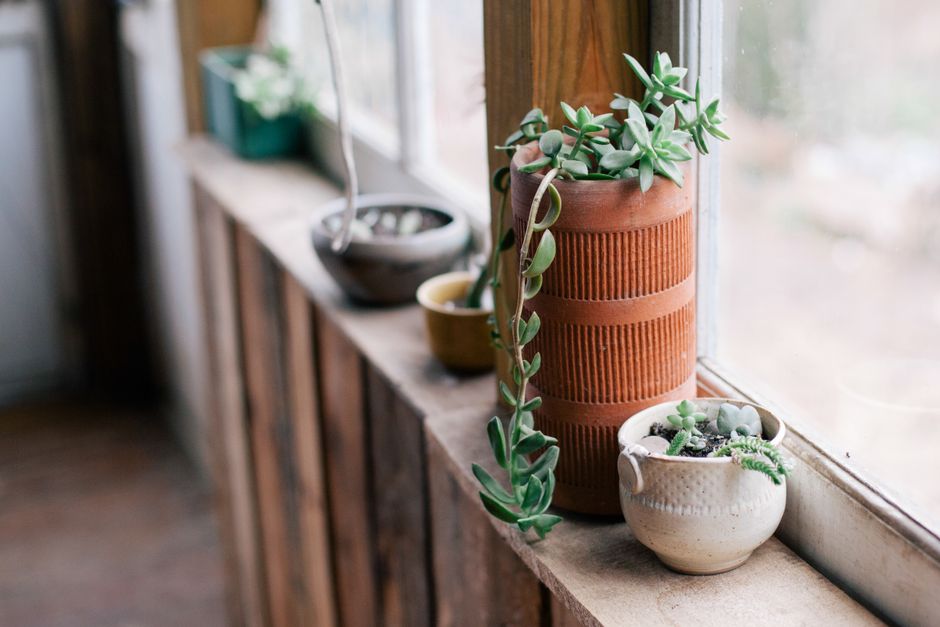
To keep your succulent house plants looking their best, we need to mimic their natural environments. Most succulents hail from arid regions where the sun is plentiful and the air is dry. When we bring them indoors, our goal is to provide that same sense of “desert luxury” right on our windowsills.
The most critical factor for indoor success is lighting. While these plants are tough, they aren’t magic—they still need energy to grow. Ideally, your succulents should live in a spot that receives bright, indirect sun for the majority of the day. If you notice your plants leaning toward the glass or losing their vibrant colors, it’s a clear sign they are craving more rays. You can learn more about fine-tuning your setup in our guide on Ensuring Proper Light Levels for Indoor Succulents.
Temperature and air circulation are the next pieces of the puzzle. Most indoor succulents thrive in a temperature range of 55°F to 75°F. This happens to be the exact range most of us keep our homes at, which is why they make such compatible roommates! However, they do appreciate a bit of a “nightly cool down,” which mimics the desert temperature drops.
Humidity is another area where succulents differ from tropical ferns. They generally prefer low humidity. If your home is particularly humid, or if you’re keeping them in a kitchen or bathroom, you’ll need to ensure excellent air circulation. Stagnant, moist air is an invitation for fungal issues. For more specific advice on managing the air in your home, check out these Indoor Garden Humidity Tips.
How much light do succulent house plants need?
When it comes to light, more is almost always better for succulent house plants. Ideally, they should receive 10 or more hours of bright, indirect light daily. While 6 to 8 hours is often cited as the minimum, providing that extra boost ensures they stay compact and colorful.
A south-facing window is usually the “gold coast” for plant placement in the Northern Hemisphere, as it provides the most consistent light throughout the day. If you don’t have a south-facing window, west-facing is a good second choice, though the afternoon sun can sometimes be a bit intense. To dive deeper into the science of sun, read our article on Succulents: Understanding Their Sunlight Needs.
If your home is naturally dark, don’t worry! You can use full-spectrum grow lights to supplement the sun. These lights provide the specific wavelengths of light that plants need for photosynthesis, allowing you to grow a thriving succulent garden even in a windowless office.
Can I grow succulent house plants in low light?
While most succulents are sun-worshippers, some varieties are more shade-tolerant than others. If you have a corner that doesn’t get much direct sun, look for plants with dark green leaves, as these typically have more chlorophyll to process lower light levels.
The Haworthia emelyae and various Gasteria species (often called Ox Tongue) are excellent candidates for lower-light areas. These plants naturally grow under the shade of bushes or rocks in the wild, so they won’t mind a slightly dimmer spot in your home. We’ve compiled a list of the Top Succulent Varieties for Low Light Conditions to help you choose.
However, be wary of “etiolation.” This is a fancy botanical term for when a plant gets “leggy.” If your succulent starts stretching out with large gaps between the leaves, it’s desperately reaching for a light source. While it won’t kill the plant immediately, it does weaken it and changes its aesthetic appeal.
Best Soil, Potting, and Watering Techniques
The quickest way to accidentally kill a succulent is by “loving it to death” with too much water. These plants are built for drought, not floods. To prevent the dreaded root rot, we must use the “soak-and-dry” method. This means you water the soil until it is completely saturated and running out of the drainage holes, then you wait until the soil is bone-dry all the way through before watering again.
How do you know when to water? Aside from sticking your finger in the soil, you can look for Signs Your Succulent Needs Water, such as slightly wrinkled leaves or a lack of firmness. Typically, this happens every 2-3 weeks, but it can take longer in the winter when the plant is dormant.
The container you choose is just as important as the water you put in it. We always recommend containers with drainage holes. Terracotta pots are a favorite among experts because the porous clay wicks excess moisture away from the roots, helping the soil dry out faster. For a deep dive into these techniques, see our Indoor Succulents: A Comprehensive Care Guide.
Soil choice is the final pillar of health. Standard potting soil holds too much moisture for succulents. Instead, you want “sharp-draining” soil. A good rule of thumb is a mix that is roughly one-third organic matter (like compost or coconut coir) and two-thirds mineral material (like coarse sand, pumice, or perlite).
| Soil Component | Commercial Cactus Mix | DIY Succulent Mix |
|---|---|---|
| Organic Matter | Peat or Pine Bark | 1 Part Potting Soil or Compost |
| Drainage Agent | Small amount of Perlite | 2 Parts Coarse Sand or Perlite |
| Water Retention | High (may need amending) | Low (ideal for succulents) |
| Nutrient Level | Moderate | Customizable |
Popular Beginner-Friendly and Trailing Varieties
If you’re just starting your journey with succulent house plants, some varieties are much more forgiving than others. Here are a few of our favorites that combine ease of care with stunning looks:
- Aloe Vera: Famous for its medicinal sap, this plant is incredibly hardy. It thrives in bright light and doesn’t mind if you forget to water it for a few weeks.
- Jade Plant (Crassula ovata): Often called the “Money Tree,” these can grow into miniature trees over many years. They are very resilient and easy to propagate.
- Zebra Plant: This small, striking plant features dark green leaves with white, warty stripes. It’s perfect for desks and can handle slightly lower light.
- Burro’s Tail (Sedum morganianum): A classic trailing succulent. Its long stems are covered in fleshy, tear-drop leaves that look beautiful cascading over the side of a shelf.
- String of Pearls (Senecio rowleyanus): This plant looks like a bead necklace. It grows quickly and is a showstopper in hanging baskets.
- Desert Rose: Known for its thick, swollen trunk and beautiful pink flowers, this plant adds a touch of the exotic to your home.
For more inspiration, check out our guide on Choosing the Best Indoor Succulents for Beginners or get started with an Indoor Succulent Garden for Beginners.
Troubleshooting and Propagation Methods
Even with the best care, you might run into a few hiccups. The most common pests for indoor succulents are mealybugs (which look like tiny bits of white cotton) and aphids. These can usually be handled with a dab of rubbing alcohol on a cotton swab or a spray of neem oil. If you notice yellow, mushy leaves, you are likely overwatering. If the leaves are shriveling and dry, it’s time for a drink. You can find more solutions in our guide on Common Problems with Indoor Succulents and How to Fix Them.
One of the most rewarding parts of owning succulent house plants is how easy they are to multiply! Propagation is like getting free plants from the ones you already have.
- Leaf Cuttings: Gently twist a healthy leaf off the stem (make sure it’s a clean pull!). Let it “callous” over for a few days, then place it on top of succulent soil. Eventually, tiny roots and a new plantlet will emerge.
- Stem Cuttings: For “leggy” plants, you can cut the top off, let the end dry, and replant it. The bottom stem will often grow new heads, too!
- Offsets: Many succulents, like Aeonium arboreum, produce “pups” or offsets. You can simply snip these off once they have a bit of a stem and plant them in their own pots.
- Unique Methods: Some plants, like the Mexican Hat Plant (Kalanchoe daigremontiana), actually grow tiny plantlets right on the edges of their leaves that fall off and grow in the soil below!
To keep your plants growing strong, you can apply a balanced liquid fertilizer diluted to half-strength about 2 or 3 times during the spring and summer growing season. Avoid feeding in the winter when the plants are resting.
Frequently Asked Questions
How often should I water indoor succulents?
Most succulent house plants need water about once every two to three weeks. However, this isn’t a strict schedule. You should always check the soil; if it’s still damp a few inches down, wait. In the winter, you might only water once a month or less as the plants enter dormancy.
What is the best soil for succulents?
A specialized “Cactus and Succulent” mix is your best bet. If you only have regular potting soil, be sure to mix in plenty of perlite, pumice, or coarse sand to improve drainage. The goal is a gritty, airy texture that doesn’t clump together when wet.
Why is my succulent getting tall and skinny?
This is called etiolation, and it’s almost always caused by a lack of light. Your plant is physically stretching to try and find a sunnier spot. To fix it, move your plant to a brighter window or consider adding a grow light. You can also “behead” the tall part and propagate it to start over with a more compact shape.
Conclusion
At SecureFinPro, we believe that bringing nature indoors shouldn’t be a source of stress. Succulent house plants offer a perfect balance of aesthetic beauty and rugged durability, making them the ideal companions for any modern home. Whether you’re decorating a sunny windowsill with a Fringed Tree Houseleek or adding a pop of color with a Jade plant, these green friends are sure to brighten your day.
Ready to find your next leafy roommate? Learn How to Choose the Best Succulents for Your Indoor Garden and start your indoor garden today! With just a little bit of light and a lot of restraint with the watering can, you’ll have a thriving indoor oasis in no time.
