
Mealybugs on Succulents: What You Need to Know Before They Spread
Mealybug treatment watering succulents go hand in hand — and if you’re dealing with white, cottony fuzz on your plants right now, here’s the fast answer:
Quick Treatment Steps:
- Isolate the affected succulent immediately
- Spray the plant with 70% isopropyl alcohol using a small spray bottle
- Check daily and reapply every 3-5 days until no bugs remain
- Let soil dry completely between waterings going forward
- Treat the soil with alcohol drench if the infestation is severe
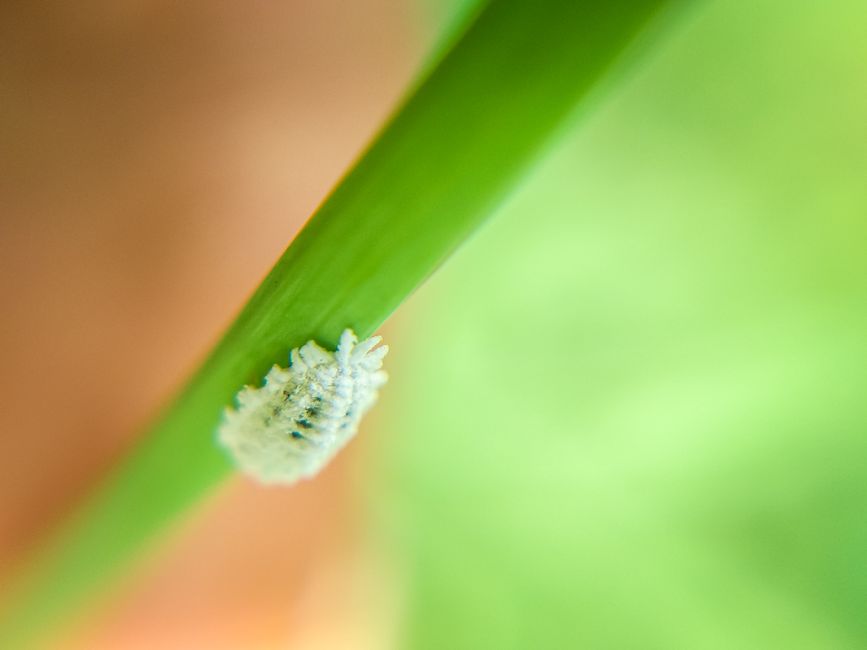
If you grow succulents long enough, mealybugs will find them. These tiny, soft-bodied insects are scale pests from the Pseudococcidae family. They feed on plant sap and hide under white, waxy, cotton-like masses — often tucked into leaf joints, rosette centers, or along stems where they’re easy to miss.
The damage is real. Mealybugs weaken your plant, distort new growth, and leave behind a sticky substance called honeydew that can lead to black sooty mold. Left untreated, a heavy infestation can kill a succulent entirely.
Here’s the part many guides skip: overwatering is one of the biggest reasons mealybugs take hold. Soft, water-logged tissue and moist soil create exactly the warm, humid environment these pests love. So treatment isn’t just about spraying bugs — it’s also about fixing your watering habits.
This guide walks you through both.
Identifying Mealybugs and the Role of Overwatering
Before we can tackle the cure, we need to be sure of the culprit. Mealybugs are masters of disguise. To the untrained eye, a small infestation looks like a bit of stray lint or a spider web. However, if you look closer, you’ll see these “white fuzzies” are actually protective waxy coatings for tiny, oval-shaped insects.
On plants like Jade (Crassula ovata), mealybugs often manifest as white sticky residue at the leaf joints. This residue is actually honeydew, a sugary excretion from the bugs. While it might look harmless, honeydew is a magnet for sooty mold, a black fungus that can block photosynthesis and further weaken your plant. You might also notice leaf deformity; as the bugs suck the sap from new growth, the leaves emerge stunted, twisted, or scarred.
Why Mealybug Treatment Watering Succulents Matters
It is no coincidence that mealybugs often appear right after a period of overwatering. When we give our succulents too much water, their tissues become soft and engorged with sap—essentially turning them into an all-you-can-eat buffet for sap-sucking pests.
Furthermore, overwatering creates high humidity around the base of the plant. Mealybugs thrive in moist, warm environments. If your soil stays damp for days on end, you are effectively building a luxury resort for pests. Understanding common problems with indoor succulents and how to fix them often starts with mastering the “soak and dry” watering method to keep these visitors away.
Signs of Infestation in Soil and Roots
Sometimes, you can’t see the enemy because they are underground. Root mealybugs are a particularly nasty subspecies that live in the soil. If your succulent looks sickly, has stunted growth, or shows signs of nutrient depletion despite proper care, it’s time to check the roots.
When you unpot a plant suspected of having root mealybugs, look for white, fluffy patches on the root ball that look like mold. These pests suck the life out of the plant from the bottom up. Recognizing these common succulent diseases and how to treat them is vital because a surface-level spray won’t touch a root-based colony.
Step-by-Step Mealybug Treatment Watering Succulents
Once you’ve identified the problem, it’s time to act. We recommend a multi-pronged approach that combines physical removal with chemical treatment (don’t worry, the “chemical” is just common household alcohol).
Preparing Your Succulent for Treatment
The very first thing we must do is quarantine. Mealybugs spread like a plague; they can crawl from one pot to another surprisingly quickly. Move the infested plant to a separate room or a far corner of the porch.
Next, perform manual removal. For small numbers, use a cotton swab dipped in 70% isopropyl alcohol to dab each bug. The alcohol dissolves their waxy coating and kills them on contact—you’ll often see them turn a brownish-red color instantly. For heavier infestations, you can use high-pressure water from a hose or kitchen sprayer to blast off the bulk of the cottony masses. Just be sure to focus on the leaf axils (where the leaf meets the stem), as this is their favorite hiding spot. For more on handling these critters, check out what-pests-threaten-indoor-succulents-and-how-to-remove-them.
Best Practices for Mealybug Treatment Watering Succulents
When it comes to mealybug treatment watering succulents, the timing of your alcohol spray is crucial.
- The Alcohol Spray: Fill a spray bottle with 70% isopropyl alcohol. Do not dilute it unless you are treating a very sensitive, thin-leaved variety. Saturate the entire plant, making sure the alcohol gets into every nook and cranny.
- Evaporation and Safety: Alcohol evaporates quickly, which is why it’s generally safe for succulents. However, never spray your plants in direct sunlight. The combination of alcohol and UV rays can cause permanent leaf burn. Spray in the evening or in a shaded area.
- The Soil Drench: If you suspect root mealybugs or a severe infestation, you can actually use the alcohol as a soil drench. During your next scheduled watering, pour the alcohol over the soil until it runs out the drainage holes. This helps with egg elimination and kills hidden crawlers.
- Systemic Drench: For plants that keep getting reinfected, a systemic insecticide (like those containing imidacloprid) can be added to your water. The plant absorbs the pesticide, making its sap toxic to the bugs.
Always remember to follow the best-watering-methods-for-indoor-succulents to ensure the plant isn’t already stressed from rot before you start treatment. For general maintenance tips, see our top-tips-for-watering-potted-succulents.
Adjusting Your Care Routine to Prevent Recurrence
Treating the bugs is only half the battle. If you don’t change the environment that invited them, they will come back. Prevention is about making your succulent a “hard target.”
The Power of Worm Castings and Soil Health
One of our favorite “secret weapons” is the use of worm castings. Beyond being a fantastic organic fertilizer, worm castings contain an enzyme called chitinase. When a plant absorbs chitinase through its roots, it becomes a natural repellent. Chitinase breaks down chitin—the primary component of a mealybug’s exoskeleton. If a bug tries to bite a plant treated with worm castings, it essentially starts to dissolve from the inside out. Talk about a deterrent!
Mixing a few tablespoons of worm castings into your soil during repotting provides a long-term nutrient balance and a built-in defense system. This is a great step when reviving-a-dying-succulent-dos-and-donts.
Monitoring and Long-Term Maintenance
Consistency is key. We recommend weekly inspections of your entire collection. Look at the newest growth in the center of rosettes—this is where mealybugs love to start.
- Air Circulation: Use a small fan or ensure your plants aren’t crowded. Stagnant air is a mealybug’s best friend.
- Drainage: Ensure every pot has drainage holes. If water sits at the bottom, you’re inviting pests.
- Inorganic Top Dressing: Adding a layer of pebbles or pumice on top of the soil can prevent gnats and mealybugs from easily accessing the organic matter in the soil to lay eggs.
- Quarantine Protocols: Never introduce a new plant to your collection without a 2-week quarantine period.
- Tool Sterilization: If you use tweezers or shears on an infested plant, wipe them down with alcohol before touching another succulent.
For a deeper dive into long-term prevention, visit best-watering-methods-for-succulents and what-pests-threaten-indoor-succulents-and-how-to-remove-them-2.
Alternative Treatments and Severe Infestations
While alcohol is our “Gold Standard,” there are other tools in the shed. Sometimes a severe infestation requires a different tactic.
| Treatment | Effectiveness | Safety for Succulents | Best Use Case |
|---|---|---|---|
| 70% Isopropyl Alcohol | High | Very Safe | Immediate kill on contact; all infestations. |
| Neem Oil | Medium | Moderate (can burn) | Prevention and young “crawlers.” |
| Insecticidal Soap | Medium | Moderate (can mar wax) | Large outdoor colonies. |
| Ladybugs | High | Very Safe | Biological control for outdoor gardens. |
| Systemic Drench | Very High | Safe | Recurring or hidden root infestations. |
When to Use Neem Oil or Insecticidal Soap
Neem oil is a popular organic choice, but use it with caution. It works by suffocating the insects and disrupting their hormones. However, succulents have a protective waxy coating called epicuticular wax (the “powdery” look on many Echeverias). Oils and soaps can permanently mar or dissolve this coating.
If you use neem oil, ensure proper dilution ratios and keep the plant out of the sun for at least 24 hours to avoid severe leaf burn. For more on protecting your plant’s health, see common-succulent-diseases-and-how-to-treat-them-2.
Handling Advanced Infestations and Ants
If you see ants hanging around your succulents, you have a double problem. Ants actually farm mealybugs. They protect the mealybugs from natural predators like ladybugs and move them from plant to plant. In exchange, the ants eat the sweet honeydew the mealybugs produce. To stop the mealybugs, you must also stop the ants.
In truly advanced cases where the plant is completely covered, you may need to consider it a sacrificial plant. If the cost of treatment and the risk of spread to your other plants are too high, it is okay to bag the plant and dispose of it. If you choose to fight, be prepared to repot the plant entirely, washing every bit of old soil off the roots and sterilizing the pot.
Frequently Asked Questions about Mealybug Treatment
How often should I reapply mealybug treatments?
You should reapply alcohol or soap treatments every 3 to 5 days. Why? Because treatments usually kill the adults but may miss the eggs. Mealybug eggs hatch in about 7-10 days. By treating every few days for at least two weeks, you ensure that you catch the “crawlers” (the nymphs) as soon as they emerge and before they can lay eggs of their own. Persistence is the only way to win.
Can mealybugs survive in the succulent soil?
Yes, absolutely. Root mealybugs are a common problem. They look like white, snowy deposits on the roots. If you suspect they are in the soil, an alcohol drench or a systemic insecticide drench is necessary. When repotting an infested plant, always throw away the old soil and wash the roots thoroughly. Never reuse soil from an infested plant without sterilizing it in the oven first.
What are common mistakes to avoid during treatment?
- Using 91% Alcohol: Stick to 70%. Higher concentrations evaporate too fast, sometimes before they can effectively kill the bug, and they are more likely to damage the plant tissue.
- Direct Sun: We can’t stress this enough—spraying any liquid (alcohol, oil, or soap) and putting the plant in the sun will cause burns.
- Over-fertilization: High nitrogen levels produce the soft, rapid growth that mealybugs love. If you have an infestation, stop fertilizing until the plant is clear.
- Skipping Isolation: Thinking you got them all and putting the plant back with its friends too early is the #1 way to lose an entire collection.
Conclusion
At SecureFinPro, we know that your succulent collection is more than just a hobby—it’s a living investment that brings beauty to your home. Dealing with pests is a rite of passage for every gardener, but with the right mealybug treatment watering succulents strategy, it doesn’t have to be a disaster.
By staying vigilant, using 70% isopropyl alcohol at the first sign of trouble, and adjusting your watering habits to prevent the damp conditions these pests crave, you can maintain a resilient and pest-free garden. A healthy succulent is its own best defense!
For more expert advice, check out More info about succulent care.
