
Why So Many People Struggle With Succulent Care (And How to Fix It Fast)
Knowing how to take care of succulents at home comes down to five core habits: watering only when the soil is bone dry, using well-draining soil, giving them 6-8 hours of bright light, planting in pots with drainage holes, and skipping fertilizer in winter.
Here is a quick-start summary:
| Care Element | What To Do |
|---|---|
| Watering | Water deeply, then wait until soil is completely dry |
| Soil | Use cactus/succulent mix with perlite or coarse sand |
| Light | 6-8 hours of bright, indirect sunlight daily |
| Pot | Always use a pot with a drainage hole |
| Fertilizer | Feed lightly in spring and summer only |
| Temperature | Keep between 60-80°F indoors |
Succulents have a reputation for being nearly impossible to kill. And yet, even experienced gardeners watch them wilt, yellow, and collapse.
The reason is almost always the same: too much water.
Succulents are built for dry, harsh environments. Their thick, fleshy leaves store water so the plant can survive long dry spells. That adaptation makes them wonderfully low-maintenance — but it also means they are extremely sensitive to soggy soil and poor drainage.
If you are a busy person who tends to over-love your plants with too much water, you are not alone. Overwatering is the number one mistake home gardeners make with succulents. The good news? Once you understand a few simple rules, these plants are genuinely hard to get wrong.
This guide walks you through everything — from watering schedules and light placement to pest control and propagation — in plain, practical language.
Essential Tips on How to Take Care of Succulents at Home
To start your journey, it is helpful to look at Indoor Succulents: A Comprehensive Care Guide to understand the baseline needs of these fleshy friends. Succulents are not a single family of plants; rather, the term describes any plant with thick, fleshy organs (leaves, stems, or roots) designed to store water. This “juicy” nature—derived from the Latin word sucus—is what makes them so resilient.
When Choosing the Best Indoor Succulents for Beginners, we recommend starting with varieties that are known for their “tough-as-nails” attitude.
- Aloe vera: Famous for its medicinal sap, it is incredibly sturdy.
- Jade Plant (Crassula ovata): Often called the “money tree,” these can live for decades and grow into miniature indoor trees.
- Snake Plant (Dracaena trifasciata): Perhaps the most indestructible succulent, it thrives in lower light than most of its cousins.
- Zebra Plant (Haworthiopsis attenuata): A petite, striking plant with white horizontal stripes that doesn’t need a massive amount of space.
Identifying Your Succulent Type
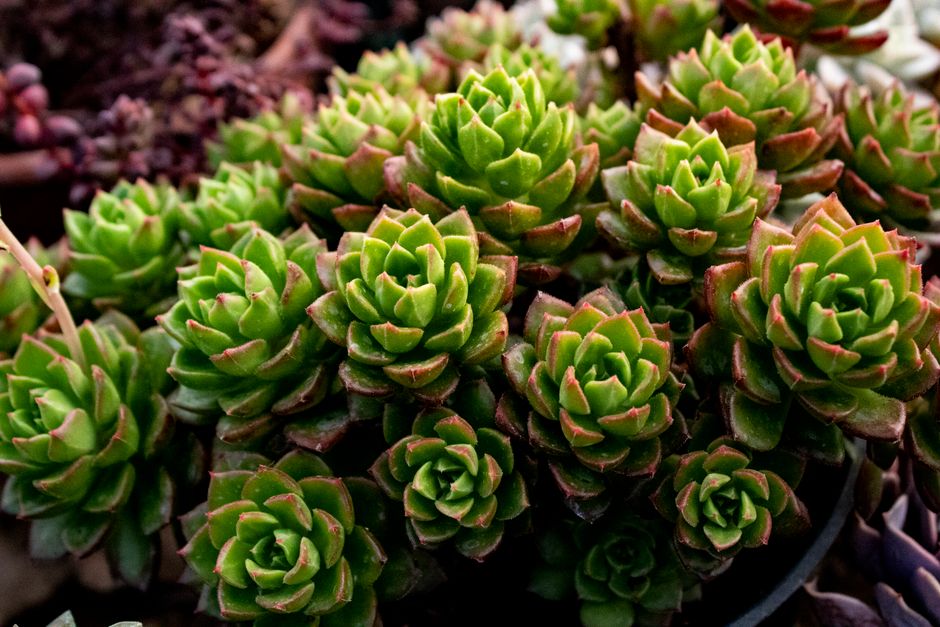
With over 10,000 species of succulents worldwide, identification can feel like a full-time job. However, most common houseplants fall into a few major families. The Crassulaceae family includes favorites like Echeveria and Jade, while the Cactaceae family covers all cacti. Remember: all cacti are succulents, but not all succulents are cacti! Cacti are distinguished by their areoles (small cushion-like bumps from which spines grow) and their lack of traditional leaves.
Understanding your plant’s leaf thickness is a great “cheat code” for care. Generally, the thicker the leaf, the less water the plant needs. A Pachyveria with grape-like leaves stores significantly more moisture than a thin-leaved Aeonium. Furthermore, be aware of dormancy cycles. Most succulents “sleep” in the winter, meaning they stop growing and require almost no water or food.
Mastering the “Soak and Dry” Watering Technique
If you want to master how to take care of succulents at home, you must retire the spray bottle. Misting is for tropical ferns, not desert dwellers. For succulents, we use the “Soak and Dry” method.
As outlined in our guide on Understanding Succulent Watering Requirements, this involves pouring water onto the soil until it runs out of the drainage holes at the bottom. Then—and this is the crucial part—you do not water again until the soil is dry all the way through. You can check this by sticking a finger two inches into the soil or using a wooden chopstick; if it comes out clean and dry, it’s time for a drink.
Learning to read the Signs Your Succulent Needs Water will save you from the heartbreak of root rot. Root rot occurs when roots sit in stagnant water, causing them to suffocate and decay. This is why drainage holes are non-negotiable.
| Sign | Overwatered (Danger!) | Underwatered (Thirsty) |
|---|---|---|
| Leaf Texture | Soft, mushy, or translucent | Shriveled, wrinkled, or leathery |
| Color | Yellowing or turning black at the base | Faded or dull |
| Leaf Drop | Leaves fall off at a slight touch | Dead leaves stay attached at the bottom |
| Soil | Consistently damp or smells sour | Pulling away from the edges of the pot |
Pro Tip: Bottom Watering If your soil has become so dry it’s pulling away from the pot, it might become “hydrophobic” (repelling water). In this case, place the pot in a sink or saucer with two inches of water. Let the plant “drink” from the bottom for 15-20 minutes until the top of the soil feels moist, then let it drain completely.
Watering Frequency: How to Take Care of Succulents at Home by Season
Your watering schedule should never be “every Monday.” It should change with the seasons. During the active growth period (spring and summer), your plants are thirsty and may need water every 7-14 days.
In the winter, succulents enter dormancy. Their metabolism slows down, and they use very little water. During this time, you might only water once a month—or even less if your home is cool. High humidity also slows down evaporation, meaning you’ll water less often in a humid bathroom than in a dry living room. If you can, use rainwater; it contains oxygen and minerals that tap water lacks, and it doesn’t contain the salts that can build up in your soil over time.
Optimizing Light, Soil, and Potting Conditions
Light is the fuel that keeps your succulents vibrant. Ensuring Proper Light Levels for Indoor Succulents is often the difference between a plant that looks like a work of art and one that looks like a sad, stretched-out vine.
When it comes to the medium they grow in, skip the “all-purpose” potting soil. It holds too much moisture. Follow our Indoor Garden Soil Recommendations and use a dedicated cactus and succulent mix. If you want to make your own, a 1:1:1 ratio of potting soil, coarse sand, and perlite or pumice works wonders for aeration.
For the pot itself, terra cotta is the gold standard for beginners. Because it is porous, it breathes, helping the soil dry out faster. Plastic or glazed ceramic pots are fine, but they trap moisture longer, so you’ll need to be even more careful with your watering can.
Sunlight Needs: How to Take Care of Succulents at Home with the Right Exposure
Most succulents need 6-8 hours of bright light daily. Indoors, a south-facing window is usually the best real estate. If your plant isn’t getting enough light, it will start “etiolating”—a fancy word for stretching toward the light source. This results in leggy growth with wide gaps between the leaves.
On the flip side, be careful with “sunburn.” If you move a plant from a dark corner directly into scorching afternoon sun, it can develop permanent beige or brown patches. Always acclimate your plants gradually to brighter light. To ensure even growth, rotate your pots a quarter-turn every week; otherwise, your succulent might start leaning like the Tower of Pisa!
Troubleshooting Pests and Common Growth Issues
Even with perfect care, “hitchhikers” can appear. Knowing What Pests Threaten Indoor Succulents and How to Remove Them is vital for preventing an infestation from spreading to your whole collection.
- Mealybugs: These are the most common succulent villains. They look like tiny bits of white cotton fluff hiding in the nooks of the leaves. They suck the sap out of the plant, weakening it.
- Aphids: Usually found on flower stalks, these tiny green or black bugs can cause distorted growth.
- Spider Mites: If you see tiny webs between leaves, you likely have mites. They thrive in dry, dusty conditions.
The Rubbing Alcohol Cure For most pests, a cotton swab dipped in 70% isopropyl (rubbing) alcohol is your best friend. Simply dab the bugs to kill them on contact. For larger infestations, a spray of neem oil or insecticidal soap can work, but always test a small leaf first, as some succulents are sensitive to oils.
Reviving and Grooming Your Plants
Succulents aren’t static; they lose bottom leaves as they grow. Mastering the Art of Succulent Grooming keeps them looking sharp. Gently pull away dry, crispy leaves at the base to prevent pests from hiding in the debris.
If your plant has become “leggy” due to low light, don’t throw it away! You can perform a “beheading.” Use a clean blade to cut the top rosette off, leaving an inch of stem. Let it sit in the air for a few days to “callus” (dry over), then stick it in fresh soil. It will grow new roots, and the old stump will often produce tiny “pups” or babies! As for repotting, succulents generally like to be a bit snug, so you only need to move them to a larger pot every 1-2 years or when roots start poking out of the drainage holes.
Frequently Asked Questions about Succulent Care
What is the number one mistake in succulent care?
As we’ve emphasized, overwatering is the ultimate succulent killer. Most beginners water on a schedule rather than checking the soil. When soil stays soggy, the roots can’t breathe, leading to root collapse. Always ensure your pot has a drainage hole to allow excess water to escape.
Can succulents grow in low light?
While most love the sun, some are more tolerant of “low-light” conditions (which, for a succulent, still means a room with a window). Snake plants and ZZ plants are the champions of darker corners. If you have a windowless office, you will likely need supplemental grow lights (LED or fluorescent) to keep your plants from stretching.
How do I propagate succulents from leaves?
Propagation is one of the most rewarding parts of how to take care of succulents at home.
- The Pull: Gently wiggle a leaf from the stem until it snaps off cleanly. It must be a “clean pull”—if the leaf tears, it won’t grow.
- The Callus: Lay the leaves on a dry paper towel for 2-3 days until the “wound” dries over.
- The Wait: Place the leaves on top of a tray of succulent soil. Do not bury them.
- The Roots: In a few weeks, tiny pink roots and a miniature “pup” will emerge. At this point, you can lightly mist the roots every few days until the mother leaf shrivels up and falls off.
Conclusion
At SecureFinPro, we believe that gardening should be a source of peace, not a source of stress. Learning how to take care of succulents at home is less about following rigid rules and more about developing your observation skills. Your plants will “talk” to you—shriveling when thirsty, stretching when they need light, and blushing with beautiful colors when they are happy.
By mastering the soak-and-dry method, providing plenty of light, and resisting the urge to over-water, you can enjoy a thriving indoor desert for years to come. For more specific advice on maintaining your green space, explore our Routine Care Steps for Healthy Succulents or check out our More info about succulent care services. Happy planting!
