
Why Indoor Plants Decor Ideas Are the Easiest Way to Transform Your Home
Indoor plants decor ideas can completely change how a room looks and feels — without a renovation or a big budget.
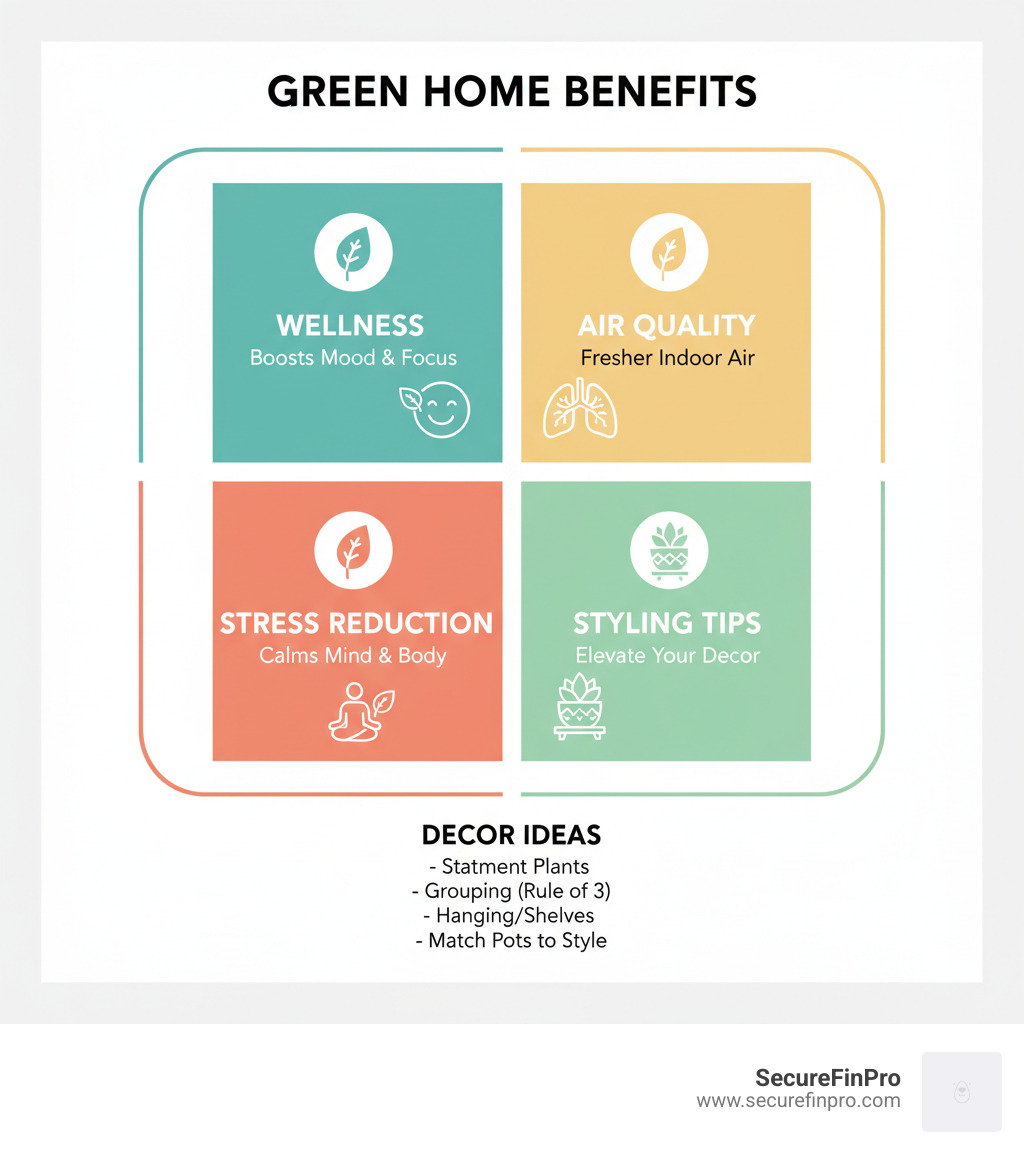
Here are the most effective ways to decorate with indoor plants:
- Use a statement plant (like a Monstera or fiddle leaf fig) as a living focal point in your living room
- Group plants in threes with varying heights and textures for a designed, intentional look
- Place humidity-loving plants like ferns or pothos in bathrooms for a spa-like feel
- Use hanging planters or floating shelves to add greenery in small spaces without losing floor space
- Match your pots to your decor style — wicker for boho, concrete for industrial, terrazzo for minimalist
- Start with low-maintenance plants like snake plants, ZZ plants, or pothos if you’re new to plant parenting
The benefits go beyond looks. Research shows that living with plants can lower stress, improve sleep quality, and boost your mood. One review of 19 studies found that plants can reduce heart rate, blood pressure, and anxiety levels.
And the interest in decorating with houseplants has never been higher — there are now over 100,000 plant decor products available on Amazon alone.
Whether you have a 300-square-foot studio or a sprawling open-plan home, there’s a plant styling approach that works for your space.
The Science of Greenery: Why Decorate with Plants?
When we talk about indoor plants decor ideas, we aren’t just talking about aesthetics. We are talking about a fundamental human need called biophilia—our innate tendency to seek connections with nature and other forms of life. Because we evolved in green environments, our brains are hard-wired to feel more relaxed when surrounded by foliage. In fact, simply looking at nature for as little as 40 seconds can help relax the pre-frontal cortex of the brain.
The physical benefits are just as impressive. While the old myth that a single spider plant can purify the air of an entire house has been debunked (science suggests you’d need hundreds of plants per room for significant mechanical filtration), plants still contribute to better air quality by increasing oxygen levels and slightly boosting humidity. This is particularly helpful in air-conditioned or heated homes where the air can become dry and stagnant.
Furthermore, the act of caring for plants has been linked to lower cortisol levels. The routine of checking soil, pruning dead leaves, and watching a new leaf unfurl provides a sense of accomplishment and a “slow-living” break from our digital lives. For those struggling with sleep, certain plants like lavender or snake plants are excellent additions to the bedroom, as they can improve air quality and create a serene, spa-like atmosphere that encourages rest.
Essential Indoor Plants Decor Ideas for Every Room
Every room in your house has its own “microclimate” and functional purpose. To make your indoor plants decor ideas successful, we need to match the plant to the room’s environment.
The Living Room: Making a Statement
The living room is usually the heart of the home, making it the perfect place for a “statement plant.” A large Bird of Paradise or a Fiddle Leaf Fig can act as a piece of living furniture, softening sharp corners and adding height to rooms with low ceilings. If you have an empty corner next to a sofa, a tall plant on a mid-century modern stand creates an instant focal point. For more inspiration on how to arrange these larger setups, check out these indoor garden display ideas.
The Bathroom: The Tropical Escape
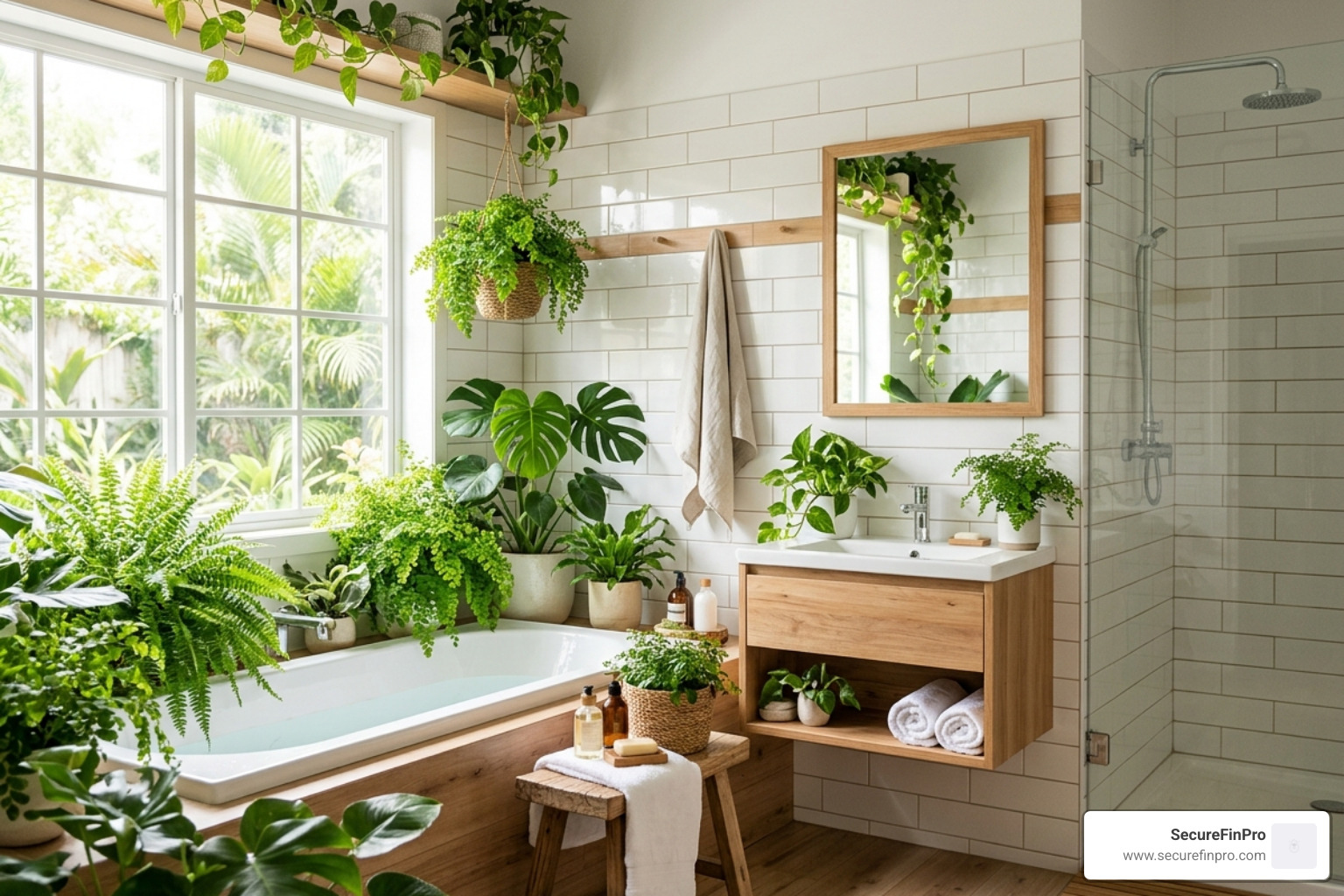
Bathrooms are often humid and have lower light, mimicking the forest floor of a jungle. This makes them the perfect home for ferns, such as the Boston Fern, or tropical vines like Pothos. Hanging a Philodendron Brasil from a shower rod or placing a peace lily on the vanity can turn a utilitarian space into a botanical sanctuary.
The Bedroom: Serenity and Sleep
In the bedroom, we want plants that promote relaxation. The Snake Plant (Sansevieria) is a superstar here because it is one of the few plants that continues to produce oxygen at night. Lavender provides a soothing scent, while a lush Monstera deliciosa on a dresser can anchor the room’s decor, making the space feel grounded and peaceful.
The Kitchen and Office: Productivity and Utility
In the kitchen, functionality meets beauty. Window sill herb gardens (basil, mint, rosemary) provide fresh ingredients for cooking while looking charming in rustic terracotta pots. In the home office, small desk plants like a ZZ plant or a Haworthia succulent can boost productivity and reduce the eye strain caused by staring at screens all day.
Creative Indoor Plants Decor Ideas for Small Spaces
You don’t need a backyard or even a large balcony to enjoy an urban jungle. When floor space is at a premium, we look up! Vertical gardening is the secret weapon for apartment dwellers.
- Hanging Planters and Macrame: Using ceiling hooks to hang trailing plants like String of Pearls or Heartleaf Philodendron keeps surfaces clear while adding a “curtain” of green.
- Floating Shelves: Installing shelves specifically for plants allows you to create a “living wall” effect. You can find more minimalist indoor garden tips to help keep these arrangements looking clean and intentional rather than cluttered.
- Garment Rack Gardens: A clever DIY hack involves using an inexpensive IKEA clothes rack or a vintage garment rack. Instead of clothes, hang various plants at different heights using S-hooks and macrame. This creates a portable room divider that lets light through while providing privacy.
- Window Sills and Ledges: Don’t let your window sills go to waste. A row of small succulents or a long trough of trailing Pothos can frame your view of the outside world beautifully.
Budget-Friendly Indoor Plants Decor Ideas and DIY Hacks
Decorating with plants doesn’t have to be expensive. In fact, some of the most charming indoor plants decor ideas come from upcycling and propagation.
Plant Propagation: This is essentially “free plants.” Many common houseplants, like Pothos or Tradescantia, can be grown from a simple stem cutting placed in a glass of water. Once roots develop, you can pot them up and expand your collection or give them as gifts.
Repurposed Containers: Before buying expensive ceramic pots, look around your home or hit the thrift store. Vintage wooden crates make excellent floor stands for large pots, and old teacups or mason jars are perfect for small succulents. For those who love a DIY project, check out these creative succulent planter ideas from recycled materials.
Personalized Pots: Plain terracotta pots are incredibly affordable. You can elevate them by using chalkboard paint, metallic accents, or even fabric wraps to match your specific interior design style.
Styling Like a Pro: Grouping, Pots, and Textures
One of the biggest differences between a “collection of plants” and “plant decor” is the way they are styled. Professional designers follow a few key rules to ensure the greenery looks like an intentional part of the architecture.
The Rule of Three
In design, odd numbers are more pleasing to the eye than even numbers. Grouping plants in threes—one tall, one medium/bushy, and one trailing—creates a natural, balanced vignette. If you group two plants of the same size, they often look like “bookends,” which can feel stiff and formal.
Texture and Color Contrast
Don’t just buy green plants. Look for variegated leaves (like the marble pattern on a Queen Pothos), purple undersides (like a Calathea), or feathery textures (like an Asparagus Fern). Mixing these textures adds depth to your “jungle.” Pair a smooth, broad-leaved Monstera with a fine-textured fern for an instant professional look.
Matching Pots to Decor Style
The container is just as important as the plant. To keep your home cohesive, choose a “pot language”:
- Boho: Woven baskets, macrame, and warm terracotta.
- Minimalist: Terrazzo, sleek white ceramic, or matte black metal.
- Rustic: Distressed wood crates, galvanized metal buckets, or aged stone.
- Industrial: Concrete planters or raw steel stands.
Choosing the best containers for indoor gardens ensures that your plants feel like an extension of your furniture rather than an afterthought.
Live vs. Artificial Plants
While we love the benefits of live plants, artificial greenery has a place in decor too. If you have a windowless room or a high shelf that is impossible to reach for watering, a high-quality faux plant can provide the visual “green hit” without the maintenance.
| Feature | Live Plants | Artificial Plants |
|---|---|---|
| Maintenance | Requires watering, light, and feeding | Only requires occasional dusting |
| Health Benefits | Air purification and oxygen boost | Purely aesthetic |
| Cost | Ongoing (soil, fertilizer, pots) | One-time investment |
| Placement | Limited by light and humidity | Can be placed anywhere (even dark corners) |
| Longevity | Can grow for decades with care | Lasts until it fades or breaks |
Maintenance and Care for Lasting Decor
The most beautiful indoor plants decor ideas won’t matter if the plants are wilting or brown. Keeping your indoor jungle looking fresh requires a consistent (but not necessarily difficult) routine.
Light and Water: The Golden Rules
The number one killer of houseplants is overwatering. Always check the soil by sticking your finger an inch deep; if it’s still damp, wait a few days. Most “low-light” plants actually prefer bright, indirect light. If your plant is leaning toward the window, it’s “stretching” for light and needs a brighter spot.
Drainage is Non-Negotiable
Always ensure your decorative pots have drainage holes, or use the “cachepot” method: keep the plant in its plastic nursery pot and place that inside the decorative container. This prevents water from sitting at the bottom and rotting the roots.
Cleaning and Grooming
Dust blocks sunlight from reaching the leaves, which can stunt growth. Once a month, wipe down large leaves with a damp cloth. This not only keeps them shiny and beautiful for your decor but also keeps the plant healthy. Prune away yellow or dead leaves immediately to allow the plant to focus its energy on new growth.
Seasonal Adjustments
Plants grow slower in the winter and need less water. Conversely, in the summer, they may need a boost of fertilizer. Rotating your pots every few weeks ensures that all sides of the plant get equal light, preventing them from becoming “lopsided.”
Frequently Asked Questions about Indoor Plant Decor
Which low-maintenance plants are best for beginners?
If you’re worried about your “black thumb,” start with the “indestructibles.” Snake plants and ZZ plants can survive for weeks without water and thrive in low light. Pothos and Heartleaf Philodendrons are very forgiving and will literally “tell” you when they are thirsty by drooping slightly. Aloe Vera and Spider plants are also incredibly resilient and easy to propagate.
How do I choose pots that match my decor style?
Look at the dominant materials in your room. If you have a lot of wood and natural fibers, boho woven baskets or rustic wood crates will blend in perfectly. For a modern, clean look, go with minimalist terrazzo or industrial concrete. If you love the 1950s aesthetic, mid-century modern plant stands with tapered legs are a classic choice that adds height and elegance.
What are common mistakes to avoid when decorating with plants?
- Ignoring Light Needs: Placing a sun-loving cactus in a dark bathroom is a recipe for disaster.
- Lack of Drainage: Never let a plant sit in standing water.
- Placing Near Drafts: Keep plants away from air conditioning vents or heaters, as the extreme temperature shifts can shock them.
- Overcrowding: While the “jungle look” is popular, plants still need airflow to prevent pests and mold.
- Neglecting Maintenance: A dead plant is not good decor. If a plant isn’t thriving, move it or replace it!
Conclusion
Transforming your home into a botanical sanctuary is a journey, not a one-day project. By using these indoor plants decor ideas, you can create a space that isn’t just “decorated,” but is actually alive. At SecureFinPro, we believe that a home should be a place of wellness and sustainability. Whether you start with a single succulent on your desk or a massive fiddle leaf fig in your entryway, bringing nature indoors is one of the most rewarding ways to improve your daily life.
Ready to dig deeper? Explore more indoor garden inspiration and start building your own urban jungle today!
