
Why the Right Soil is Crucial for Succulent Health
Is coco peat for succulents a good choice?
For succulent enthusiasts, the answer is generally yes, but with an important caveat:
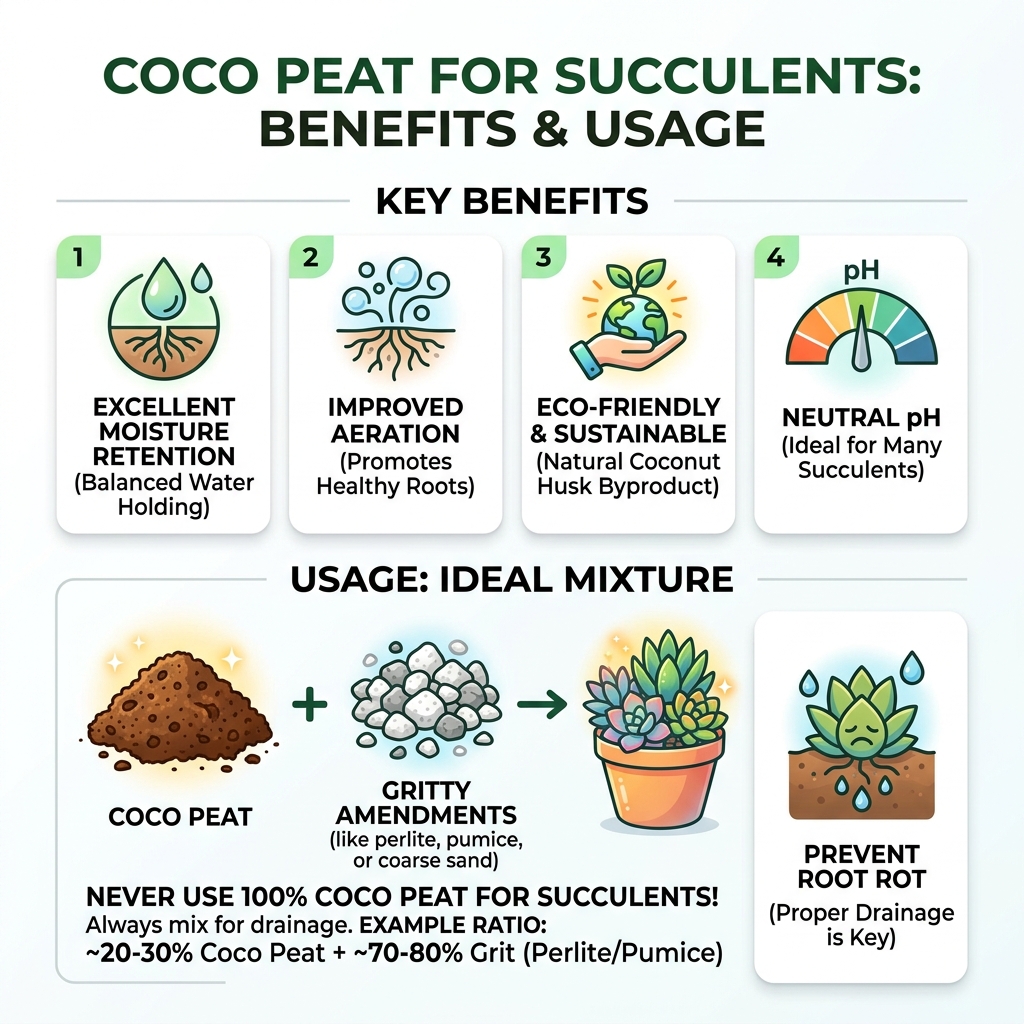
- Coco peat for succulents is excellent for retaining moisture and providing good aeration.
- However, it’s not recommended to use 100% coco peat.
- Always mix it with gritty materials like perlite, pumice, or coarse sand to ensure fast drainage and prevent root rot.
- When used in a proper mix, coco peat helps create the ideal environment for healthy succulent growth.
Succulents are loved for their unique beauty and relatively low-maintenance nature. They bring a touch of green to any space, often without demanding constant attention. Yet, for many busy plant enthusiasts, the biggest challenge remains: finding the right balance of moisture and drainage in their soil. Overwatering is the number one killer of succulents, leading to dreaded root rot.
This is where coco peat for succulents enters the conversation. Coco peat, also known as coco coir, is a natural fiber extracted from coconut husks. It has become a popular medium, offering properties that can be highly beneficial for these drought-loving plants.
Choosing the correct soil mix is absolutely vital for healthy, thriving succulents. It directly impacts how you water and how your plants grow. With the right approach, coco peat can be a game-changer, helping you achieve that perfect balance your succulents need to flourish, even with a busy schedule.
What is Coco Peat and Why is it Trending?
If you have ever held a coconut, you know it has a thick, fibrous outer layer. That “husk” used to be considered waste in the coconut industry, but gardeners eventually realized it was a goldmine. Coco peat (or coir pith) is the spongy material that holds the coconut fibers together. When processed, it looks a lot like dark, rich soil, but it behaves quite differently.
We are seeing coco peat for succulents trend for several reasons, but sustainability is at the top of the list. Traditionally, gardeners used peat moss. However, peat moss is harvested from ancient bogs that take centuries to form, making it a non-renewable resource. Coconut trees, on the other hand, produce a fresh crop of coconuts every year, and since the husks are a byproduct, using them is incredibly eco-friendly.
Beyond being “green,” coco peat is naturally pH neutral (usually sitting between 5.8 and 6.8). This is a massive win for us because many succulents prefer a slightly acidic to neutral environment. Unlike traditional soil that can become compacted or peat moss that becomes “hydrophobic” (water-repellent) when dry, coco peat remains light and easy to re-hydrate. According to research from Earth Scape, it is 100% natural and biodegradable, making it a guilt-free choice for your indoor jungle.
The Benefits of Using Coco Peat for Succulents
Why are we so excited about this fluffy brown stuff? For starters, coco peat for succulents has a superpower: water management.
Water Retention and Capacity
One of the most impressive statistics in the gardening world is that coco peat can hold up to eight times its weight in water. Now, you might be thinking, “Wait, don’t succulents hate water?” Not exactly. They hate stagnant water. They actually love a good drink, provided the soil doesn’t stay soggy. Coco peat acts like a series of tiny sponges, holding moisture for the roots to sip on while allowing the excess to drain away.
Aeration and Root Health
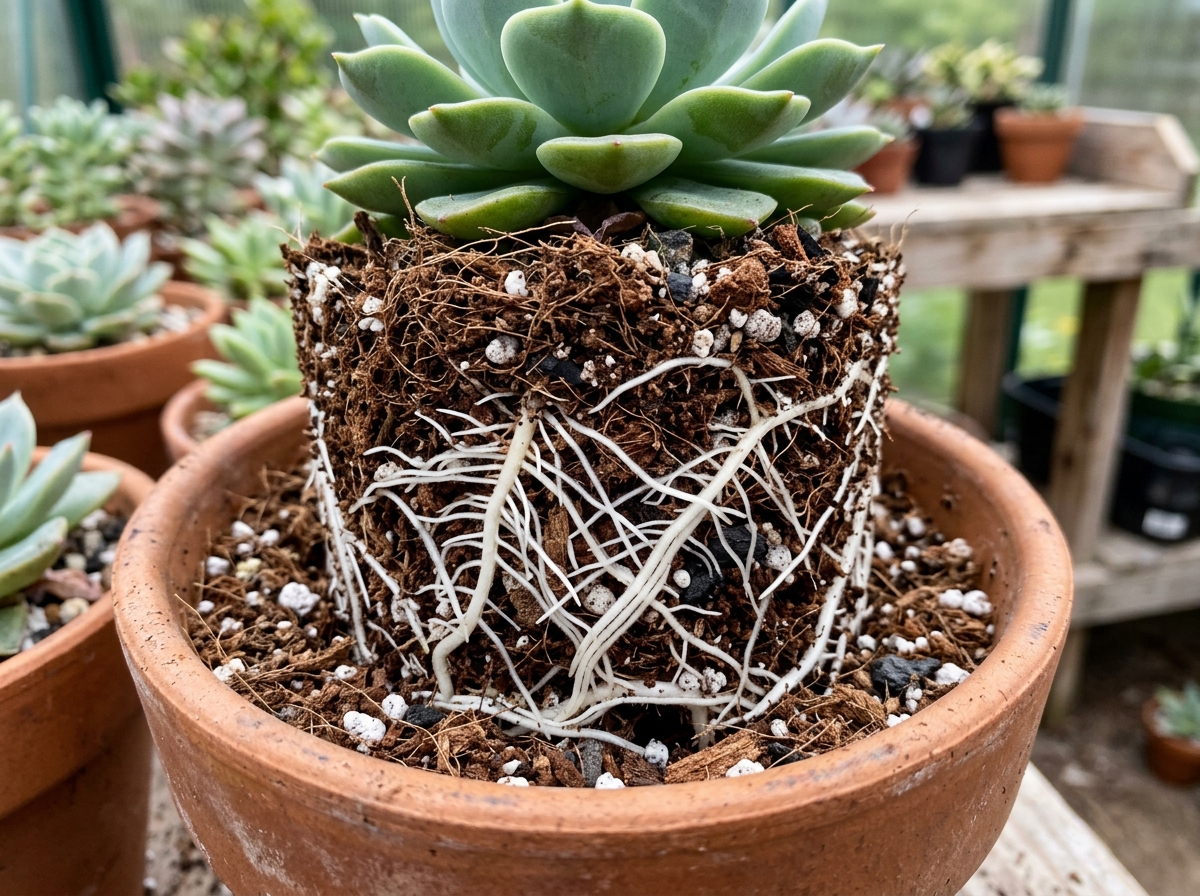
Healthy roots need to breathe. If soil is too dense, the roots suffocate, leading to rot. Coco peat has high air porosity, meaning it stays fluffy even when wet. This allows oxygen to reach the root zone, encouraging a robust and “tight” root system. This is especially beneficial for trailing varieties like String of Pearls or String of Bananas, which need strong roots at the soil surface to support their long vines.
Re-wetting and Resistance
If you’ve ever forgotten to water a peat-based soil for a month, you know the frustration of the water just “beading up” on top and running down the sides of the pot. Coco peat doesn’t do that. It absorbs water instantly, even if it’s bone dry. Plus, it has natural antifungal properties that help it resist mold and soil-borne diseases. It even helps with carbon sequestration, as the coconut trees it comes from can live for 60 to 100 years, pulling carbon out of the atmosphere.
Improving Drainage with Coco Peat for Succulents
While coco peat is great at holding moisture, its real strength in a succulent mix is its ability to facilitate drainage when combined with the right amendments. Because it consists of various fiber sizes, it creates tiny “tunnels” in the soil.
When we look at indoor-garden-soil-recommendations, the gold standard is always a “gritty mix.” By adding coco peat to a gritty base, we ensure that the plant gets a quick burst of hydration without the roots sitting in a swamp. This flow of water also pulls fresh oxygen into the soil, which is like a breath of fresh air for your Echeverias and Haworthias.
Potential Drawbacks and How to Avoid Them
We want to be completely honest with you: coco peat isn’t magic dust. It has a few quirks that you need to manage to keep your plants happy.
- Salt Content: Since coconuts often grow near the ocean, the husks can be high in sodium. If you buy low-quality coco peat, those salts can burn your succulent’s sensitive roots. The Fix: Always look for “pre-buffered” or “triple-washed” coco peat. If you aren’t sure, give your coco peat a good rinse with fresh water before using it.
- Nutrient Deficiency: Coco peat is “nutritionally lean.” It doesn’t have much nitrogen, phosphorus, or potassium. The Fix: You must supplement with a high-quality succulent fertilizer or add organic amendments like worm castings to your mix.
- Decomposition Rate: Unlike rocks or pumice, coco peat is organic and will break down over time. Research suggests it should be replaced approximately every two years to prevent the soil from becoming too dense as the fibers collapse.
Comparison Table: Coco Peat vs. Alternatives
| Feature | Coco Peat | Peat Moss | Traditional Potting Soil |
|---|---|---|---|
| Sustainability | High (Renewable byproduct) | Low (Mined from bogs) | Medium |
| Water Retention | Excellent (8x weight) | Good (but becomes hydrophobic) | High (often too much) |
| pH Level | Neutral (5.8–6.8) | Acidic (3.5–4.5) | Varies (often adjusted) |
| Lifespan | ~2 Years | ~1-2 Years | ~1 Year (compacts) |
| Drainage | High (when mixed) | Moderate | Low |
Managing Moisture in Coco Peat for Succulents
To avoid overwatering, we recommend the “soak and dry” method. Because coco peat for succulents holds moisture so efficiently, you might find you need to water less often than you would with a pure grit mix.
Regularly “flush” the soil by watering until it runs freely out of the drainage holes. This prevents the buildup of mineral salts from your fertilizer. If you live in a very humid environment, you’ll want to reduce the amount of coco peat in your mix to ensure the soil dries out fast enough.
How to Create the Perfect DIY Coco Peat for Succulents Mix
Ready to get your hands dirty? Making your own mix is the best way to ensure your plants get exactly what they need. Commercial “cactus mixes” are often still too heavy on peat, so we prefer a DIY approach.
The “Standard Success” Ratio
For most indoor succulents, a great starting point is:
- 2 Parts Coco Peat (provides moisture and structure)
- 1 Part Coarse Sand or Perlite (provides drainage)
- 1 Part Pumice (provides aeration and trace minerals)
As noted by Indoor Vegetable Grower, a 50/50 split of coco coir and perlite is also a “tried-and-true” recipe that has helped countless enthusiasts.
Pumice vs. Perlite
We often get asked which is better. While perlite is cheaper and easier to find, it has a habit of floating to the top of the pot when you water. Pumice is a volcanic rock that is far superior because it stays put, holds over 70 trace minerals, and provides even better long-term aeration.
The Organic Boost
Since coco peat is low in nutrients, we love adding 10-20% worm castings to the mix. This provides a gentle, slow-release source of nitrogen and beneficial microbes that help your succulents grow strong and resist pests.
Special Considerations for Cacti and Propagation
Cacti are even more sensitive to moisture than succulents. For them, we recommend a “leaner” mix. Use a 1:2 ratio (one part coco peat to two parts grit).
Leaf Propagation: This is where coco peat for succulents truly shines. Many experts, including those at Succulents and Sunshine, use 100% coco coir for leaf propagation. The consistent dampness (not sogginess) is perfect for “leaf babies” to develop their first tiny roots without drying out.
The Cooling Layer: If you live in a scorching climate (like Arizona or Southern California), you can use a thin layer of coco peat as a “top dressing.” This helps keep the roots slightly cooler during extreme heatwaves, preventing the soil from baking.
Frequently Asked Questions about Coco Peat
Can I use 100% coco peat for my succulents?
Generally, no. While it’s great for propagation or starting seeds, 100% coco peat stays wet for too long for a mature succulent. Without amendments like perlite or pumice, the lack of drainage will eventually lead to root rot. Always aim for a mix where at least 40-50% of the volume is inorganic grit.
Is coco peat better than peat moss?
We believe so! Not only is it more sustainable, but it’s also much easier to work with. Peat moss is naturally very acidic and requires lime to balance the pH. It also shrinks when dry, creating a gap between the soil and the pot. Coco peat stays stable, has a better pH for succulents, and re-wets effortlessly.
How often should I water succulents in coco coir?
There is no “one size fits all” schedule, but a good rule of thumb is every 10 to 14 days during the growing season. Use the “top-inch test”: stick your finger into the soil. If the top inch of the coco peat for succulents mix feels bone dry, it’s time for a soak. In the winter, succulents go dormant and need much less water—once a month is usually plenty.
Conclusion
At SecureFinPro, we believe that gardening should be a source of joy, not stress. Understanding the science behind your soil is the first step toward a thriving indoor garden. Coco peat for succulents offers a sustainable, effective, and versatile way to give your plants the “secret sauce” they need for long-term health.
By balancing the moisture-retention of coco coir with the high-drainage properties of pumice and sand, you create a soil structure that mimics the arid, rocky environments where succulents naturally thrive. Remember to refresh your soil every two years, supplement with nutrients, and always—always—ensure your pots have drainage holes.
Ready to take your plant parenthood to the next level? Explore more expert succulent care tips on our blog and watch your green friends flourish!
